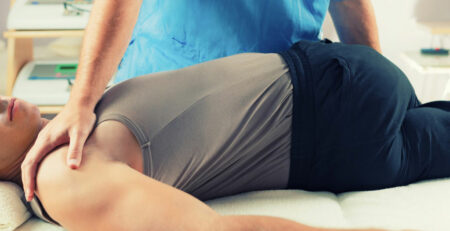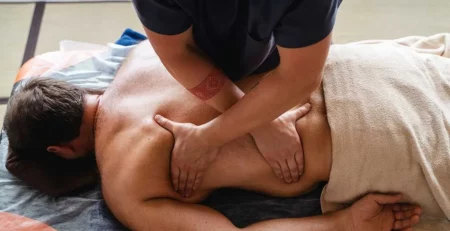
Hot and cold hydrotherapy pairs therapeutic massage with alternating temperatures to create a powerful “vascular flush.” By gently dilating and constricting blood vessels, it helps stimulate circulation, decrease inflammation, ease soreness, and speed recovery after hands-on work.
Related Article: Swedish Massage in Toronto.
What is Massage with Hot and Cold Hydrotherapy in Toronto?
Massage with hot and cold hydrotherapy by our Registered Massage Therapist combines traditional massage techniques with temperature therapy. Heat improves blood flow and relaxes muscles, while cold reduces inflammation and pain. Alternating both enhances circulation, speeds recovery, and balances the nervous system.
How Hot and Cold Hydrotherapy Works
Heat (Thermotherapy)
Warmth causes vasodilation—blood vessels widen and local blood flow increases. Consequently, tissues receive more oxygen and nutrients while muscle tone decreases. In practice, heat also softens connective tissue, which lets your RMT work more comfortably with less force. However, because heat increases circulation, it’s not used directly over acute inflammation or new injuries during the first 48–72 hours.
Cold (Cryotherapy)
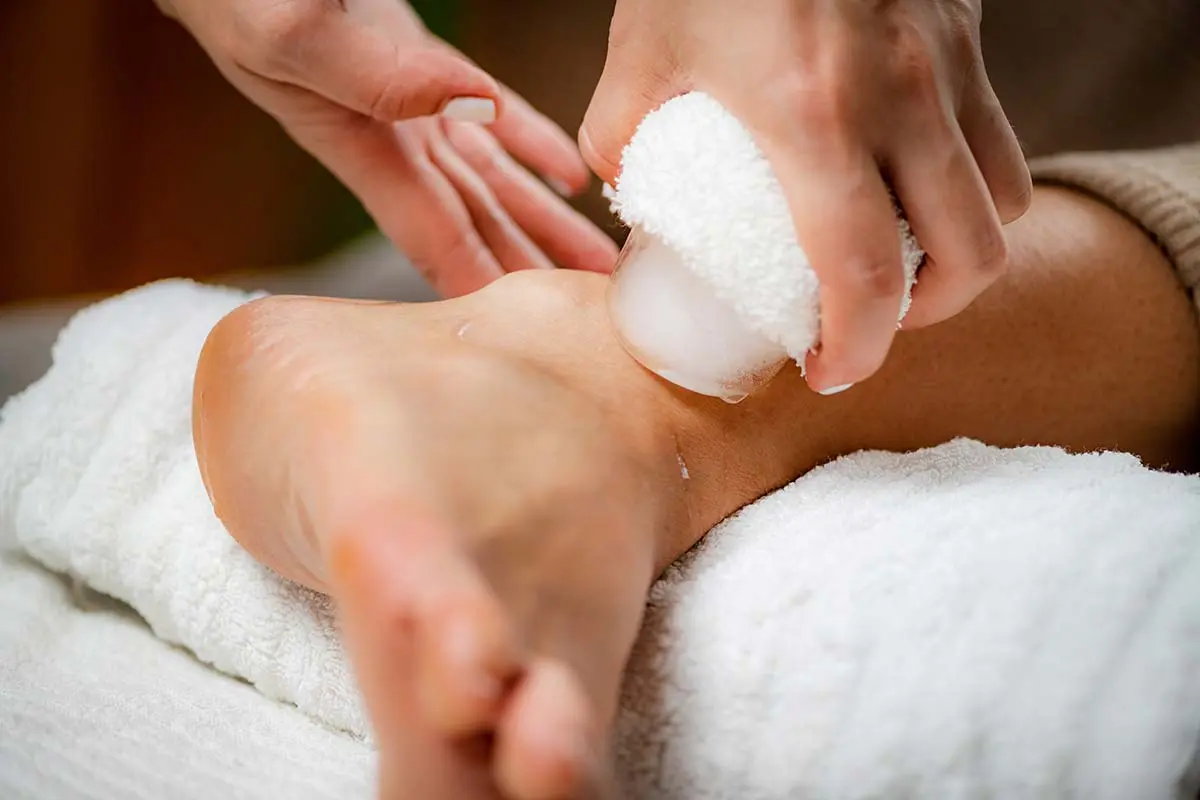
Cold exposure creates vasoconstriction—vessels narrow and blood flow temporarily slows. As a result, local swelling and pain signaling can drop. Cold also reduces nerve conduction speed, which provides a short-term analgesic effect. That is why cold packs are routinely used right after activity or minor sprains.
The “Pumping” or Contrast Effect
When your RMT alternates warm and cold, the circulation changes act like a gentle pump. Blood and lymph are moved in and out of the area, helping flush metabolites that accumulate with exercise or strain. This contrast hydrotherapy is most helpful after the acute phase, during the subacute and later recovery stages, as well as for general soreness from training or desk work.
Typical clinic range: Heat 37–43°C (100–110°F) and Cold 10–15°C (50–59°F)
Benefits of Hot and Cold Hydrotherapy
Reduced Inflammation and Soreness
Alternating temperatures create a vascular flush that helps manage swelling and relieves delayed-onset muscle soreness (DOMS).
Faster Recovery After Activity
Because blood flow improves and waste by-products are cleared more efficiently, tissues often bounce back more quickly between workouts or long workdays.
Better Circulation
The constant switching between warm and cold stimulates systemic circulation, which many clients describe as feeling “lighter” or “re-energized.”
Natural Pain Relief
Cold briefly slows nerve transmission, which can reduce pain perception; meanwhile, heat reduces muscle guarding, so movement becomes easier.
Deep Relaxation with a Clear Head
Warmth is inherently soothing, yet the brisk cold intervals add a refreshing finish. Many clients sleep better the night after a session.
Who Benefits Most of Hot and Cold Hydrotherapy
- Active people who want post-exercise recovery without more deep pressure
- Desk-based professionals with neck, shoulder, and low-back tightness
- Subacute injuries (after the first few days), including minor sprains or strains
- Chronic stiffness where heat relaxes and cold de-sensitizes
- Anyone seeking a gentler approach than deep tissue work
If you are in the acute stage—hot, red, sharply painful swelling—book a short visit for assessment + cold-only care first. We’ll introduce contrast when the tissue is ready.
Techniques We Use in Body & Mind Osteopathic Clinic
Hot and Cold Compresses
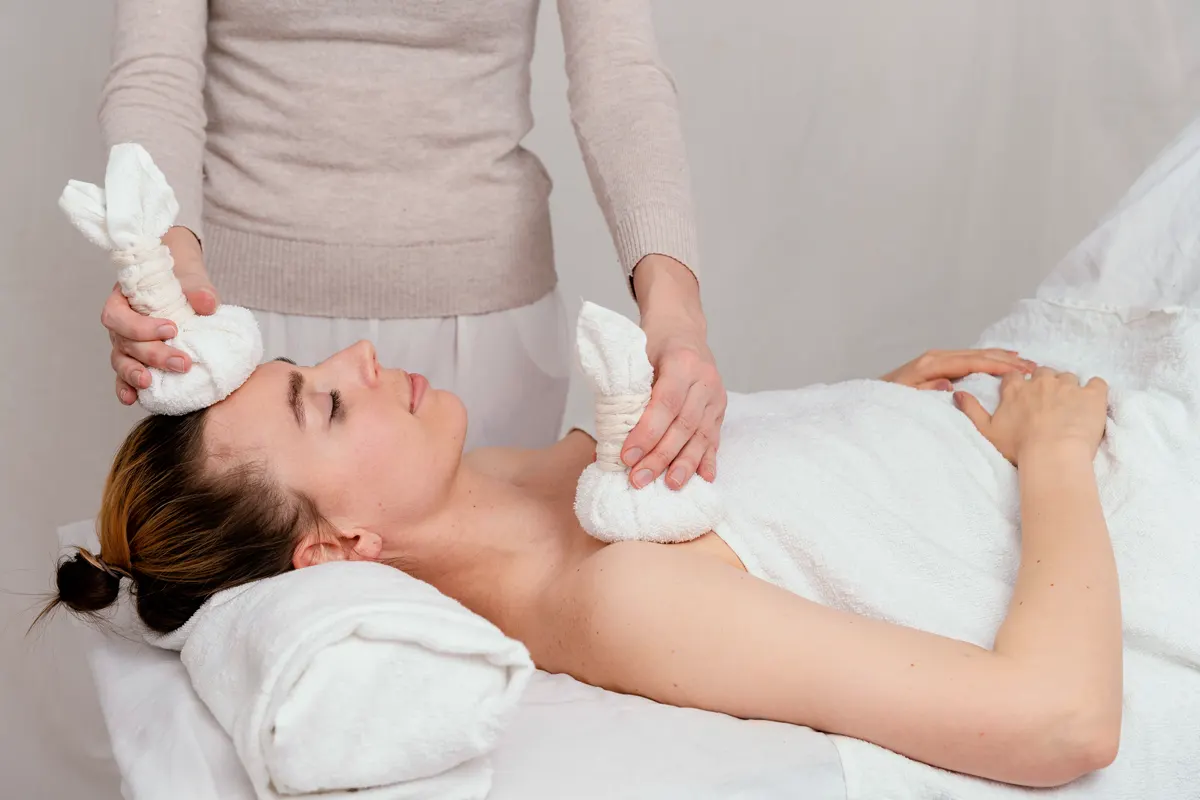
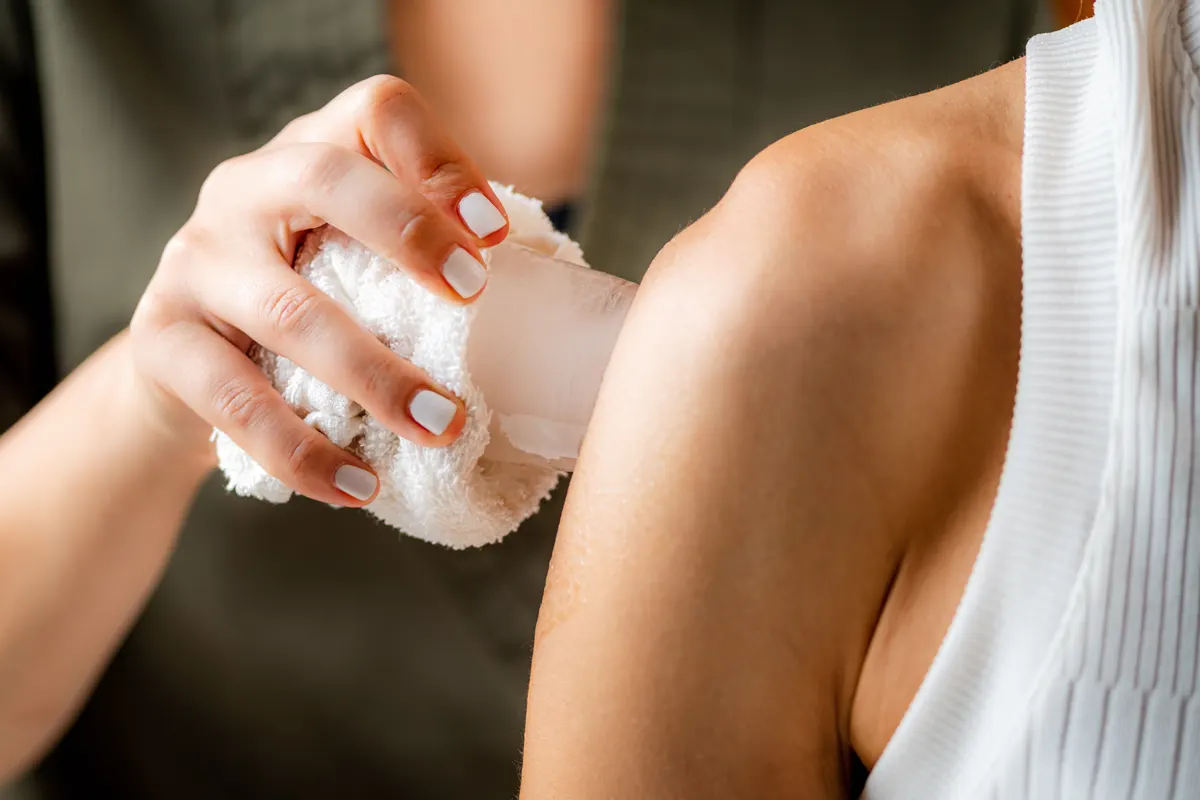
We apply water-heated towels followed by cooled compresses in controlled intervals. This is ideal for the neck/shoulder region, low back, and hips when you want soothing care without extra pressure.
Contrast Baths for Hands, Feet, Ankles
For forearm or ankle issues, we may use two basins at safe temperatures and alternate 3 minutes warm / 1 minute cold, repeating 3–5 cycles and finishing cold. This method is especially useful for tendinopathies and DOMS.
Hot Stone Add-On with a Cold Finish
Warm stones (heated in water, which is why this remains hydrotherapy) soften superficial tissues. We frequently finish with a brief cool application to settle sensitivity and reduce post-session soreness.
Precautions and Contraindications
To keep care safe and medically responsible, please tell your RMT if you have:
- Cardiovascular disease, uncontrolled hypertension, significant vascular disease, or Raynaud’s phenomena.
- Diabetes with reduced sensation or neuropathy.
- Pregnancy (we’ll adapt temperature and duration).
- Open wounds, skin infections, recent surgery, or metal pins/wires in the area.
- Cold or heat intolerance, cryoglobulinemia, or poor circulation.
Additionally, do not apply heat to acutely inflamed tissue. Likewise, do not apply cold if you’re already chilled. Always use a barrier between the source and skin, and let us know right away if you feel any burning, numbness, or pain.
What to Expect in Your Toronto Appointment at Body & Mind Osteopathic Clinic
- Brief intake: We review your health history, training load, sleep, and stress.
- Pressure & temperature preferences: We agree on a range that feels safe and effective.
- Massage first: Your RMT performs a light-to-moderate, rhythmic massage to encourage parasympathetic calm and prepare tissues.
- Targeted contrast: We apply warm towels or stones for 2–4 minutes, then cool compresses for 30–60 seconds. The sequence repeats 3–5 times.
- Breathing cues: Slow nasal breathing helps the nervous system absorb the change in temperature.
- Finish cold or neutral: For soreness or swelling, we finish cold; for relaxation only, we often finish neutral-warm.
- After-care: You’ll get a simple evening plan—hydration, a 5-minute movement routine, and a contrast shower option for the next day.
Sessions are insurance-eligible when performed by an RMT. If you’re using extended health benefits, we’ll issue a claim-ready receipt or help with direct billing where available.
What the Research Says
Small controlled studies in athletes suggest contrast water therapy can reduce DOMS, improve perceived recovery, and help people return to training sooner compared with passive rest. Evidence for chronic pain is mixed, yet many clients report better comfort and sleep after alternating temperatures. Because responses vary, we tailor hot and cold hydrotherapy to your tolerance and your goals, and we reassess at each visit.
Book Hot & Cold Hydrotherapy at Body & Mind Osteopathic Clinic
Use your benefits wisely with RMT-led hot and cold hydrotherapy. If your health plan covers Registered Massage Therapy, don’t let it expire unused. Hot and cold hydrotherapy therapy pairs therapeutic massage with alternating warm and cool applications to reduce soreness, calm inflammation, and speed recovery—without heavy pressure on tender tissues.
Whether you’re rebounding from training, easing desk-related tension, or need a gentle recovery boost, our RMTs will tailor the temperature, timing, and finish warm or cool, so you leave relaxed and refreshed.
📞 Call us at (647) 995-7722 or book your appointment online now.
Why choose Body & Mind Osteopathic Clinic?
- RMT-led and insurance-eligible. Claim-ready receipts; help with direct billing where available.
- Evidence-informed protocols. Safe temperature ranges and cycles (e.g., 3–4 min warm / 45–60 s cool) customized to your goals.
- Gentle but effective – Great for post-exercise recovery, subacute sprains/strains, and general soreness when deep pressure feels too much.
- Personalized & safe – Screening for health conditions; we avoid heat on acute inflammation and adapt for sensitivity.
- Clear after-care – Simple at-home contrast options to extend results.
- Two convenient locations – North York (Toronto) and Vaughan (Maple), with evenings available.
- Clean, temperature-controlled equipment – Fresh linens, towel barriers, and precise temperature checks every session.
References
1. Systematic review & meta-analysis (contrast water therapy / athletes):
Bieuzen F, Bleakley CM, Davison GW. Contrast Water Therapy and Exercise-Induced Muscle Damage. PLOS ONE. 2013.
Key takeaways: across controlled trials, CWT modestly reduced DOMS and improved perceptions of recovery vs passive rest, though overall study quality was low/high risk of bias.
2. Randomized crossover trial (contrast vs passive; DOMS):
Vaile JM et al. The effect of contrast water therapy on symptoms of delayed onset muscle soreness. J Strength Cond Res. 2007.
Found reduced soreness and better functional recovery with CWT compared with passive recovery after eccentric exercise.
3. Meta-analysis comparing CWT and CWI after team sport:
Higgins TR et al. Effects of Cold Water Immersion and Contrast Water Therapy on Recovery From Team Sport. J Strength Cond Res. 2017.
Reported time-dependent benefits: CWT showed benefit for fatigue at ~48 h; CWI at other time points; supports use for perceived recovery/return to training vs passive rest.
4. Cochrane review (cold-water immersion; supportive mechanism):
Cochrane Collaboration. Cold-water immersion for preventing and treating muscle soreness after exercise. 2022 update.
Shows reduced soreness at 24–96 h vs passive rest; reinforces the analgesic/circulatory rationale behind the “cold” phase.
5. Broader recovery techniques meta-analysis (includes hydrotherapies):
Dupuy O et al. Effect of Recovery Techniques on Delayed Onset Muscle Soreness and Fatigue. Frontiers in Physiology. 2018.
Summarizes evidence across methods; hydrotherapies show small-to-moderate benefits on DOMS/fatigue depending on protocol, highlighting variability (i.e., “mixed” results outside athletic contexts).
Written By: Vadzim Siniauski
Vadzim Siniauski is Certified Osteopathic manual practitioner DOMP, MCIO, and Registered Massage Therapist (RMT), MD (Belarus). Vadzim has an extensive experience in musculoskeletal health, pain management, and manual therapy techniques.
Our Editorial Process
At Body & Mind Osteopathic Clinic, we publish practical, experience-based content to help educate readers on osteopathy, rehabilitation, and wellness.
Writing: All our content is developed by experienced osteopathic practitioners and RMTs. It draws on reputable scientific literature, clinical research, and our real-world experience working with conditions such as back pain, joint stiffness, postural imbalances, and injury recovery.
Editing: Each article is reviewed internally by a senior practitioner to ensure accuracy, clarity, and alignment with our treatment protocols and patient education standards.
Verified by Practitioners: Before publication, content is verified by a licensed member of our clinical team to confirm that the medical information provided aligns with current best practices in manual therapy and osteopathic care.
Frequently Asked Questions
Is contrast hydrotherapy better than an ice bath?
They serve different purposes. Ice baths focus on strong cold exposure, which can blunt soreness but may also temporarily dampen training adaptations. Hot and cold hydrotherapy offers a moderate, cyclical approach that manages soreness while preserving comfort and mobility. We recommend contrast for everyday recovery, especially after massage.
How soon after an injury can I use it?
For the first 48–72 hours, stick with cold-only and book a quick assessment. Once the acute swelling settles, contrast can help move fluid and improve mobility.
Will it make me too tired to work afterward?
Most people feel clear-headed and relaxed. If you plan to return to work, finish with a short walk and water. If you want better sleep, finish warm and keep the evening quiet.
Can I claim this under my insurance?
Yes. When provided by a Registered Massage Therapist, sessions are typically reimbursed under RMT benefits. Bring your plan details or ask our therapist.