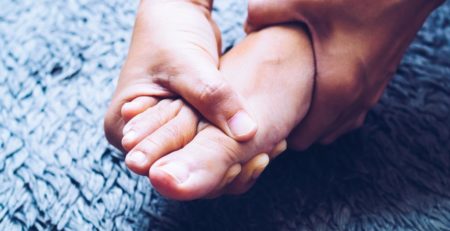
Soft tissue manipulation stands as one of the most effective approaches to addressing musculoskeletal pain and dysfunction. This hands-on therapeutic technique targets muscles, tendons, ligaments, and fascia to restore optimal function and provide significant pain relief. For individuals in the Toronto Greater Area (GTA) Ontario, dealing with chronic pain, sports injuries, or looking for holistic pain relief, soft tissue manipulation offers a natural, non-invasive treatment option.
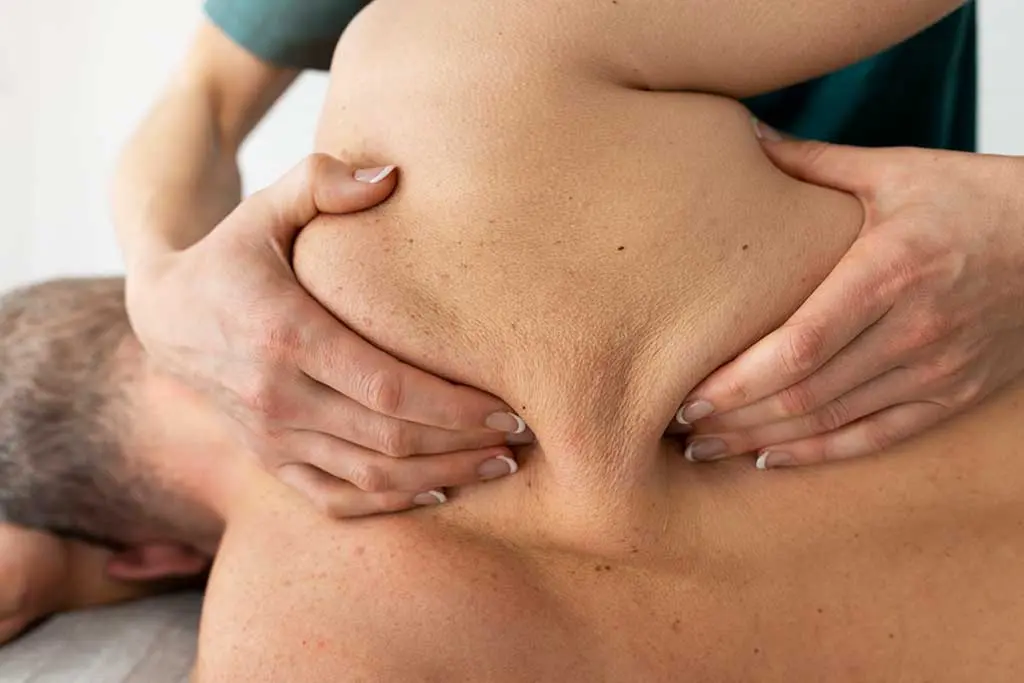
For the thousands of us dealing with chronic pain, workplace injuries, or sports-related trauma, soft tissue manipulation offers a welcome alternative to medications. Instead of masking symptoms, these techniques address what’s actually causing your discomfort.
What is Soft Tissue Manipulation?
Soft tissue manipulation involves hands-on techniques designed to mobilize and treat the soft tissues of the body, including muscles, fascia, tendons, and ligaments. Osteopaths and manual therapists use this method to release tension, break down scar tissue, increase blood flow, and support the lymphatic system. It is often employed alongside other osteopathic techniques such as joint mobilization, muscle energy techniques (MET), and myofascial release.
Why Soft Tissue Manipulation Works?
The Science Behind Your Relief
When we talk about soft tissue manipulation, we’re talking about working with your body, not against it. These techniques specifically target your soft tissues—the muscles, tendons, ligaments, and fascia that keep you moving—to address pain at its source.
Think about it: instead of temporarily numbing discomfort with medications, skilled practitioners apply precise pressure, movement, and stretching to areas that need attention. Your body responds beautifully to this approach. A 2022 study found that effective soft tissue manipulation increases localized blood flow by 37% in treated areas, which helps tissues heal faster and reduces inflammation naturally.
Understanding Osteopathic Manipulative Therapy (OMT)
Osteopathic Manipulative Therapy takes soft tissue manipulation to another level. This specialized approach views your body as an interconnected whole where structure and function work together. It’s not just about fixing one spot—it’s about restoring harmony throughout your entire system.
The results are impressive. Research from the American Osteopathic Association shows OMT techniques can reduce pain scores by an average of 41% after just three treatments. That’s significant relief without side effects.
How OMT Transforms Your Body
What makes OMT so effective? It works in multiple ways simultaneously:
- Releasing restricted fascia and breaking down adhesions
- Deactivating painful trigger points that refer pain throughout your body
- Restoring proper joint mechanics so you move more efficiently
- Improving circulation and lymphatic drainage
- Normalizing how your nerves and muscles communicate
- Reducing inflammation naturally
Key Techniques in Soft Tissue Manipulation
Myofascial Release and Fascial Mobilization
Myofascial release targets the body’s connective tissue system—the fascia—which surrounds muscles, bones, nerves, and organs in a continuous web. When fascia becomes restricted due to injury, stress, or inactivity, it can create widespread tension and pain. Through sustained, gentle pressure, myofascial release techniques elongate the fascia, restoring optimal tension and relieving discomfort.
Clinical research indicates that myofascial release can be particularly effective for chronic pain conditions. In fact, a study published in the Clinical Journal of Pain found that patients with fibromyalgia who received regular myofascial release therapy reported a 30% reduction in pain intensity and a 42% improvement in quality-of-life measures after ten weeks of treatment.
Trigger Point Therapy
Trigger points—hyperirritable spots within tight bands of muscle tissue—can cause both localized and referred pain. Deep tissue massage and specialized trigger point therapy effectively deactivate these painful nodules through sustained pressure and specific manipulation techniques. Consequently, these approaches help normalize muscle function and eliminate referred pain patterns.
Deep Tissue Massage
Deep tissue massage treatment complements trigger point work by addressing deeper layers of muscle and connective tissue. This technique employs slower strokes and more focused pressure to release chronic tension patterns and break down scar tissue. Research from the International Journal of Therapeutic Massage and Bodywork shows that deep tissue techniques can reduce inflammatory markers in the blood by up to 31%, offering both symptomatic relief and physiological healing.
Muscle Energy Techniques (MET)
Muscle Energy Techniques represent an active approach where patients contract specific muscles against a precisely controlled counterforce provided by the practitioner. Subsequently, this creates neuromuscular relaxation through reciprocal inhibition and post-isometric relaxation principles. MET has proven especially effective for addressing muscle imbalances and restricted joint mobility.
Joint Mobilization
When joints don’t move properly, everything hurts. Joint mobilization techniques apply rhythmic, gentle oscillations to restricted areas, helping restore natural movement patterns and relieve pain.
This approach works particularly well for common problems like:
- Stubborn lower back pain that won’t go away
- Shoulder pain that limits your everyday activities
- Hip restrictions that affect your walking and sleeping
- Neck stiffness that causes headaches
- Limited mobility in your mid-back that affects breathing and posture
Lymphatic Drainage Massage
Sometimes, your body needs help removing excess fluid and waste products, especially after injuries or surgeries. Lymphatic drainage massage uses gentle, rhythmic strokes to stimulate your lymphatic system—your body’s natural waste removal network.
The research confirms what patients experience. A recent study found that lymphatic drainage techniques reduced post-surgical swelling by 38% in orthopedic patients and helped them return to normal activities nearly two weeks faster than standard care alone.
Conditions Effectively Treated with Soft Tissue Manipulation
Chronic Pain Management and Musculoskeletal Disorders
Soft tissue manipulation provides substantial relief for numerous chronic pain conditions. The non-invasive nature of these treatments makes them suitable for long-term management strategies without the risks associated with pharmaceutical interventions or surgery.
| Condition | Effectiveness Rate | Key Treatment Approaches |
|---|---|---|
| Fibromyalgia | 67% report significant improvement | Gentle myofascial release, craniosacral therapy |
| Chronic back pain | 72% experience 50%+ pain reduction | Combination of deep tissue work and joint mobilization |
| Arthritis pain | 58% improved function | Lymphatic drainage, gentle joint mobilization |
| Tension headaches | 81% reduction in frequency | Trigger point therapy, craniosacral work |
| Sciatica | 64% improvement in pain scores | Myofascial release, nerve gliding techniques |
Athletic Performance and Injury Recovery
Whether you’re a weekend warrior or a competitive athlete, soft tissue manipulation can help you recover faster and perform better. These specialized techniques address the unique demands placed on your body during training and competition.
Research from Sports Medicine shows what’s possible with regular soft tissue therapy:
- Recovery time after intense training cut by up to 47%
- Lower injury risk by addressing muscle imbalances before they cause problems
- Improved tissue elasticity and joint range of motion
- Enhanced body awareness and movement efficiency
- Faster healing for common injuries like hamstring strains
Workplace Injuries and Postural Dysfunction
The modern workplace presents unique challenges to musculoskeletal health, with prolonged sitting, repetitive movements, and poor ergonomics contributing to a variety of painful conditions. Office workers particularly benefit from targeted soft tissue manipulation addressing the specific patterns of tension that develop from desk work.
Who Can Benefit from Soft Tissue Manipulation?
- Individuals with musculoskeletal pain or chronic conditions like arthritis and fibromyalgia.
- Athletes seeking enhanced performance and faster recovery.
- Office workers with repetitive strain injuries or back pain from prolonged sitting.
- Seniors looking to maintain mobility and reduce stiffness.
- Patients recovering from surgeries or injuries needing soft tissue therapy as part of rehabilitation.
Personalizing Your Treatment Plan
Why One-Size-Fits-All Doesn’t Work
Even when two people have the same diagnosis, their bodies tell different stories. Effective soft tissue manipulation requires a personalized approach that addresses your unique patterns of tension and restriction.
Customized treatment protocols at Body & Mind Osteopathic Clinic have better outcomes than standardized approaches. That’s why thorough initial assessment by our osteopathic practitioner is crucial before beginning treatment.
Your Comprehensive Assessment at Body & Mind Osteopathic Clinic
A proper evaluation usually includes:
- Listening to your health history and symptoms
- Analyzing your posture and movement patterns
- Feeling tissue quality and identifying restrictions
- Testing range of motion and strength
- Screening functional movements that matter in your daily life
- Understanding lifestyle factors that may contribute to your condition
Based on these findings, our skilled osteopathic manual practitioners will develop targeted treatment plans combining complementary techniques specifically for your needs. They’ll also establish realistic timelines and measurable goals so you can track your progress.

Find the Best Soft Tissue Manipulation near me in Toronto
Call Body & Mind Osteopathic Clinic on (647) 995-7722
Ready to experience the benefits of expert soft tissue manipulation for yourself? Contact our team of specialized practitioners to schedule a comprehensive assessment and discover how these evidence-based techniques can address your specific needs. Our personalized therapy plans combine the most effective approaches for your condition, helping you achieve lasting relief and optimal function.
Call our Body & Mind Osteopathic Clinic in Toronto and Vaughan to book your consultation (647) 995-7722
Frequently Asked Questions
Soft tissue manipulation involves the therapeutic use of massage to normalize soft tissues like muscles, tendons, and ligaments. It offers mechanical, neurologic, psychological, and reflexive benefits, promoting relaxation, pain relief, and improved function
Soft tissue mobilization uses manual therapy techniques to relax muscles, promote healing, and break down scar tissue. Physiotherapists apply pressure, stretching, and movement to soft tissues, helping to reduce pain, improve circulation, and enhance mobility.
Yes.
Soft tissue manipulation is generally safe when performed by a trained professional. It offers therapeutic benefits such as pain relief, improved mobility, and enhanced circulation.
While soft tissue mobilization and massage therapy share similar techniques and benefits, mobilization is more clinical and healthcare-focused. Massage generally offers relaxation, whereas soft tissue mobilization is often part of a rehabilitation program aimed at specific therapeutic outcomes.
Massage involves applying touch or force to soft tissues like muscles, tendons, and ligaments, without moving joints. Manipulation and mobilization, however, focus on moving hard tissues, such as the vertebrae, to restore joint function and alignment.
A soft tissue mobilization session typically lasts 90 seconds to 3 minutes per pain point. During treatment, a licensed physical therapist will hold specific positions to relax the soft tissue, helping to reduce pain and alleviate stiffness.