Stress and emotional imbalances affect nearly everyone at some point. The reasons may be overwork, something that has happened to them in the past, or an ongoing feeling of panic. Often, emotional tension gets trapped in the body. Fortunately, holistic therapies like craniosacral therapy offer a gentle, non-invasive way to relief. But what is craniosacral therapy, and how can it help manage stress or support emotional healing?
What Is Craniosacral Therapy and How Does It Work?
Craniosacral therapy is not just about physical health. It gently encourages emotional regulation, nervous system balance, and a renewed sense of wellbeing. When you’re under constant emotional strain, your body holds onto that stress—often in the head, neck, and spine.
Sacral cranial treatment addresses these holding patterns, allowing for both physical and emotional release. Many clients continue sessions as part of a long-term plan to manage stress, trauma, or anxiety.
By seeing a qualified holistic therapist, you can begin to experience more ease in your body, clarity in your thoughts, and peace in your emotions.
Benefits of Craniosacral Therapy
Craniosacral therapy offers more than just helping people relax. Many people say it helps them feel better in many areas with stress and anxiety.
For Stress Relief:
- Anxiety and overwhelm feel less intense
- Sleep becomes easier and more refreshing
- A stronger sense of calmness and peace grows
- Coping with daily stress feels more manageable
For Emotional Healing:
- Old emotional patterns and past traumas let go
- Awareness of feelings and control over emotions improve
- Individuals feel more stable and connected to themselves
- Depression symptoms lighten up
What Does a Craniosacral Therapy Session Feel Like?
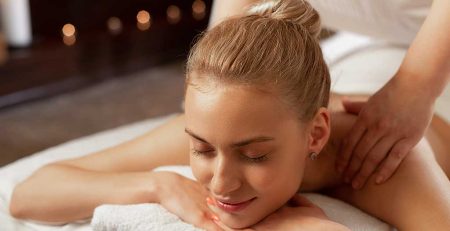
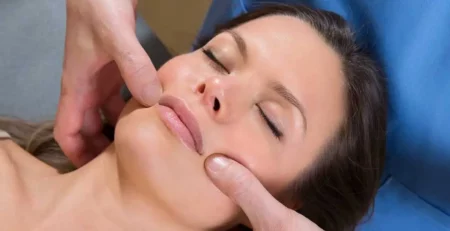
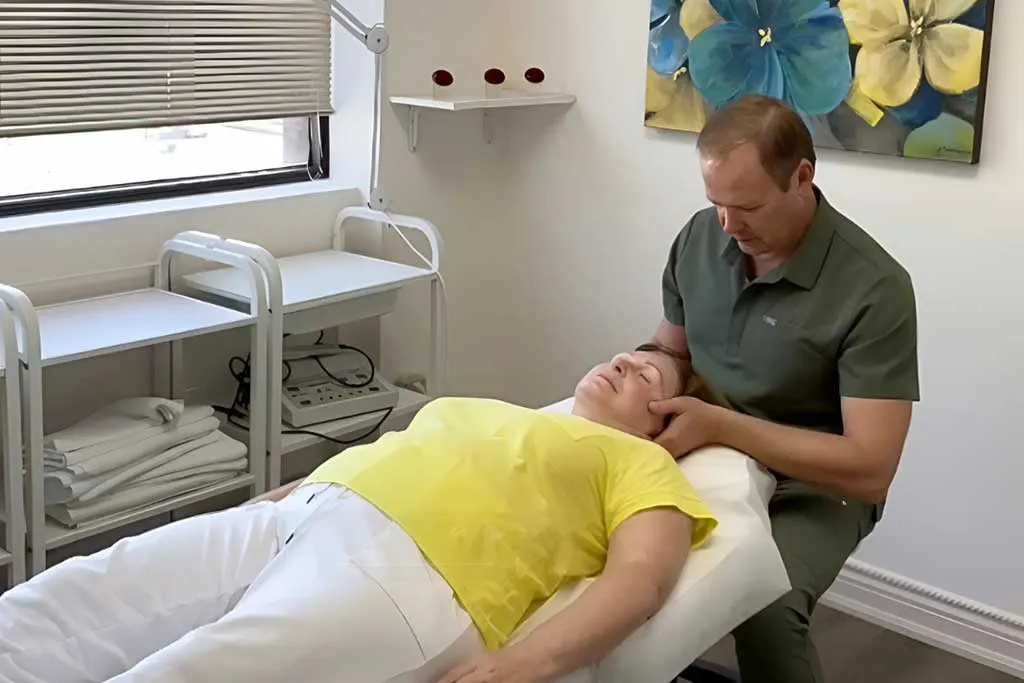
Craniosacral sessions are frequently described as deeply calming and emotionally freeing. As the practitioner applies light, intentional touch, patients often experience sensations like:
- A feeling of warmth or pulsation
- Emotional release, including tears or laughter
- A sense of lightness or floating
- Inner calm and mental clarity
While the session is not physically intense like deep tissue massage, its results can be deep and long-lasting.
The Origins of Cranio Sacral Therapy
Craniosacral therapy (CST) emerged from osteopathy in the early 20th century. Dr. William Sutherland, an osteopathic physician, first explored the concept that cranial bones subtly move and that this movement affects overall health. His early observations laid the foundation for cranial sacral therapy.
Later, Dr. John Upledger, a respected osteopathic physician and professor of biomechanics at Michigan State University, advanced Sutherland’s work. He invented the term “craniosacral therapy” and developed it into a recognized therapeutic approach. Today, CST is practiced worldwide by holistic therapists, craniosacral therapists, massage therapists, and even some medical professionals.
The Science and Skepticism: Is CST Evidence-Based?
Like various mind body therapy methods CST has its fans and doubters. Certain research articles, in journals such as the Journal of Alternative and Complementary Medicine indicate advantages for issues such as migraines, pain and anxiety. For instance a study showed that CST helped alleviate pain and enhance the well being of individuals, with fibromyalgia.
However, critics argue that evidence is still limited and more robust studies are needed. Despite this debate many patients continue to report significant improvements, and numerous integrative treatment centers include CST as part of their stress management programs.
How to Find the Right Craniosacral Therapist
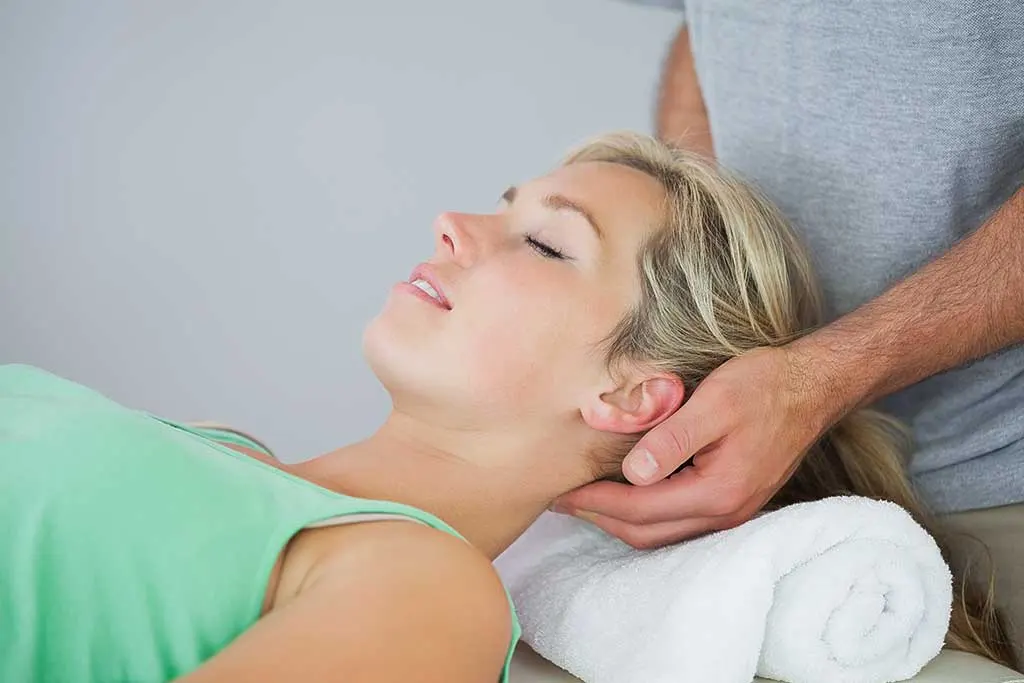
Finding the right practitioner is key to a safe and effective experience. Here are some tips:
- Check credentials: Look for a certified therapist trained through recognized institutions.
- Ask about experience: Ensure they have experience with emotional health, especially if you’re seeking therapy for depression and anxiety.
- Consider location: Search for “craniosacral therapy Toronto” or “cranial sacral therapy near me” to find local options.
- Insurance compatibility: Ask if they are therapists covered by insurance, which can help with cost.
A great practitioner will make you feel safe, seen, and supported during your healing journey.
Why Craniosacral Therapy Is a Powerful Tool for Stress Relief
It helps to regulate emotions, balance the nervous system, and restore a sense of wellbeing. When you face ongoing emotional pressure, your body holds that stress—often in your head, neck, and spine.
This sacral cranial treatment tackles these stress patterns, which allows your body and emotions to relax. Many people keep up with sessions to manage stress, trauma, or anxiety over time.
By seeing a qualified holistic therapist, you can begin to experience more ease in your body, clarity in your thoughts, and peace in your emotions.
Natural Way to Inner Harmony
In a world that often expects us to keep pushing and striving, craniosacral therapy gives us a chance to slow down, tune in to our body’s wisdom, and unlock its natural ability to heal.
This gentle but deep healing approach can help us deal with stress and emotional baggage helping us find more inner peace, become more resilient, and get in touch with our true selves.
If you’re looking for a safe, natural, and healing way to deal with how stress and emotional experiences affect your health, think about trying the soft touch of craniosacral therapy.
By finding a good therapist and giving this gentle but life-changing body and mind treatment a chance, you might find a deep calm inside and a new feeling of balance in your life.
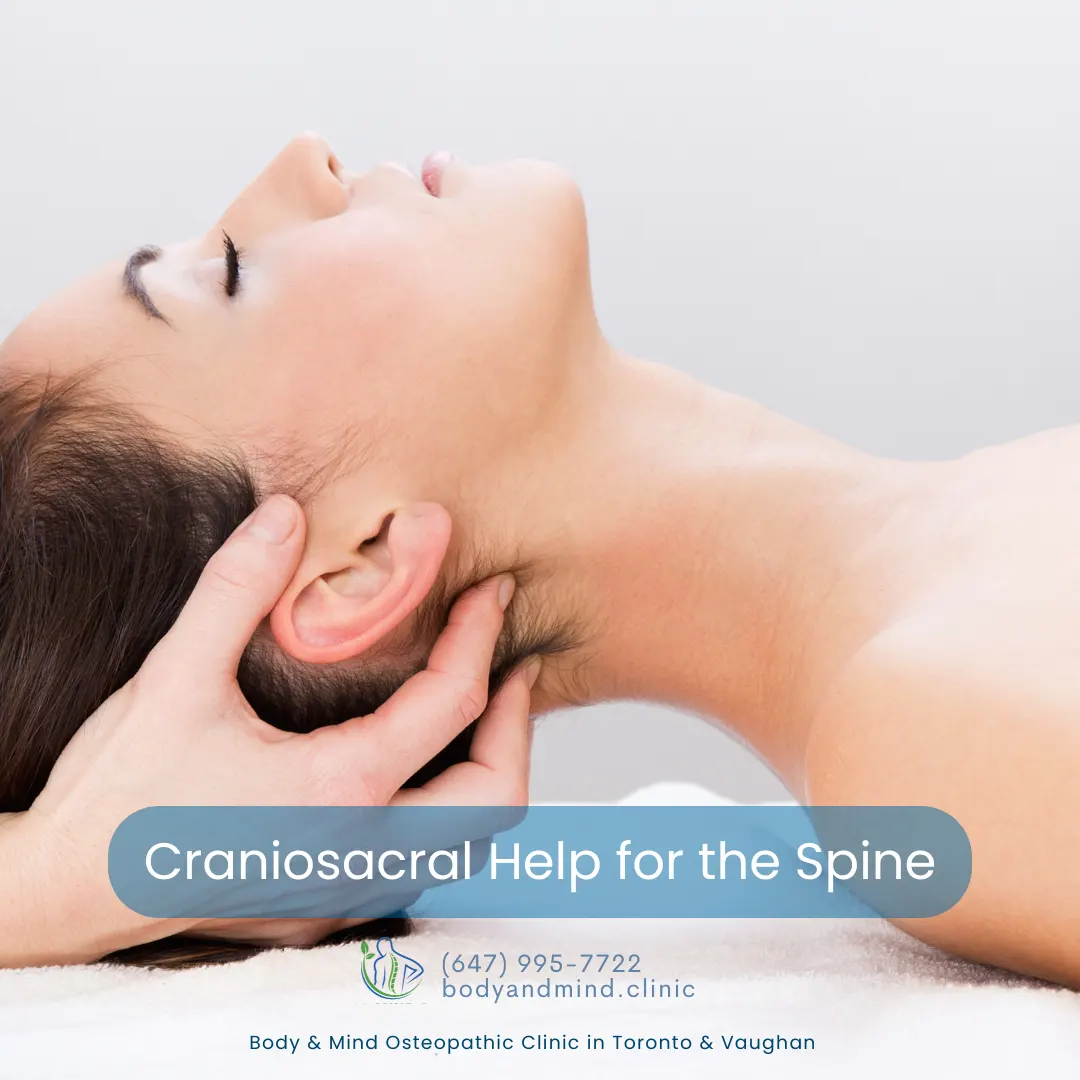
How Craniosacral Therapy and Cranial Osteopathy Work Together
At Body & Mind Osteopathic Clinic, we offer both Cranial Osteopathy and Craniosacral Therapy—two highly complementary approaches that support your nervous system and restore whole-body balance. While Cranial Osteopathy (performed by an osteopathic manual practitioner) uses precise manual techniques to gently mobilize the bones of the skull and spine, Craniosacral Therapy (delivered by our registered massage therapist in Toronto) applies subtle, sustained pressure to release deep fascial tightness.
.
These treatments improve cerebrospinal fluid flow, soothe the autonomic nervous system, and ease built-up tension in both the body and the mind. Combining the structural approach of osteopathy with the gentle rhythms of craniosacral work allows us to better help with issues like TMJ dysfunction, chronic headaches stress-related tension, neck pain, and postural strain.
This combination offers a calming and effective way to seek natural relief to manage jaw pain, migraines, or nervous system imbalances in Toronto.
Craniosacral Therapy Near Me
Are you looking for a soft natural way to boost your emotional health? Craniosacral therapy in Toronto provides a safe and healing option.
The team at Body & Mind Osteopathic Clinic in Toronto and Vaughan provides skilled Craniosacral Therapy to ease tension, soothe the nervous system, and bring balance back to your body. Their caring, hands-on approach helps with headaches, jaw pain, and ongoing discomfort giving your body the support it needs to heal.
Schedule a consultation with therapist Vadzim Siniauski today. He would be happy to meet with you and discuss how craniosacral treatment can benefit you!
Frequently Asked Questions
What is craniosacral therapy used to treat?
Craniosacral therapy is used to treat migraines, TMJ dysfunction, chronic pain, post-concussion symptoms, anxiety, tension, and nervous system dysregulation. It’s also beneficial for stress-related disorders and general wellness.
Who shouldn’t use craniosacral therapy?
Those with recent skull fractures, acute brain bleeds, or conditions raising pressure inside the skull should stay away from craniosacral therapy. Always check with your doctor before trying it.
What are the side effects of craniosacral therapy?
Side effects are rare but may include temporary fatigue, emotional release, or light-headedness after a session as the body adjusts to the changes in craniosacral rhythm.
What do you feel during craniosacral therapy?
Most people feel deep relaxation, warmth, or a subtle pulsing sensation. Some experience emotional release or light sensations as tension releases from the body.
Is craniosacral good for anxiety
Yes. Craniosacral therapy is effective for anxiety as it calms the nervous system, balances cranial rhythms, and promotes a sense of grounded relaxation.
How often should you do craniosacral therapy?
For chronic conditions or stress relief, sessions may be recommended weekly or biweekly. The right frequency depends on what you need and how your body reacts to it.
Can craniosacral therapy improve sleep?
Yes. It helps by calming the parasympathetic nervous system and lowering tension in your body and mind. This can lead to better sleep and steadier sleep habits.
Can craniosacral therapy improve sleep?
Yes. It helps by calming the parasympathetic nervous system and lowering tension in your body and mind. This can lead to better sleep and steadier sleep habits.
Does craniosacral therapy reduce brain fog?
Yes. Craniosacral therapy supports clearer thinking by improving cerebrospinal fluid flow and relieving tension around the brain and spine, which may reduce brain fog.