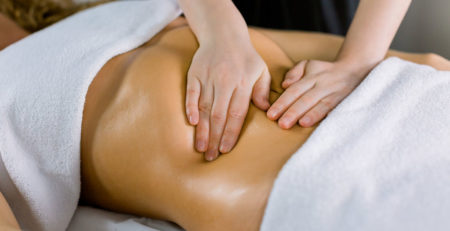
Soft tissue massage is a highly effective therapy used to relieve muscle tension, improve circulation, and promote relaxation. Whether you’re dealing with chronic pain, recovering from an injury, or simply looking to reduce stress, soft tissue therapy can provide the relief you need. Offered by our experienced registered massage therapist (RMT) at professional massage clinic in Toronto, this treatment helps restore mobility and enhances overall well-being.
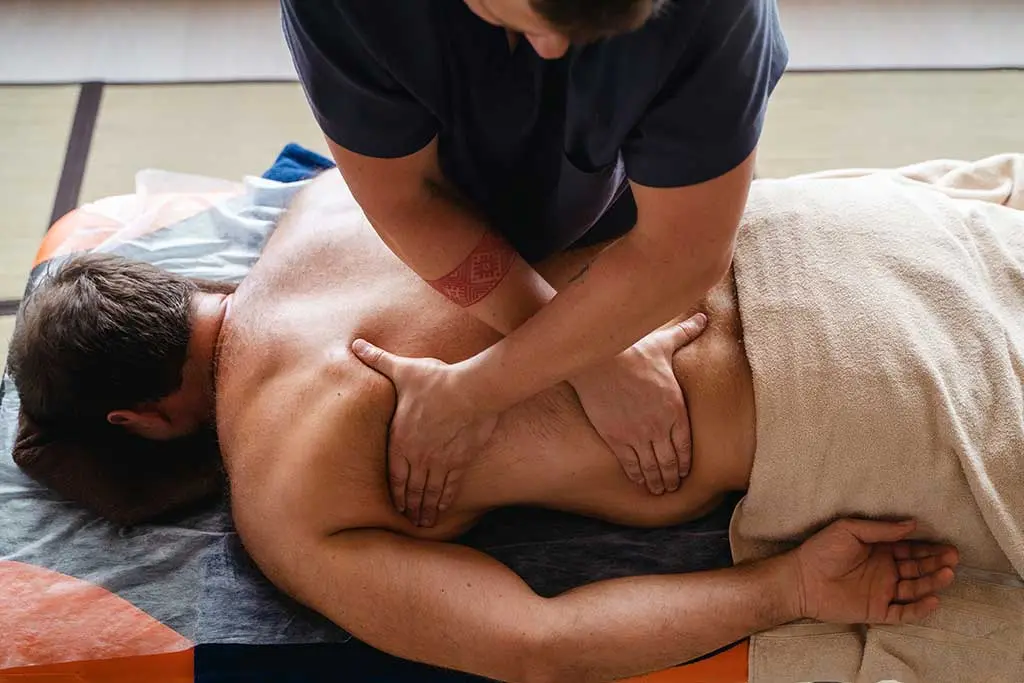
Soft Tissue Massage Explained: Benefits, Techniques & Healing
Soft tissue massage is a manual therapy technique designed to target muscles, ligaments, tendons, and fascia – the connective tissues surrounding muscles and joints. Unlike deep tissue massage, which focuses on deep muscle layers, soft tissue therapy applies gentle pressure and stretching techniques to relieve tension and restore movement.
This treatment is commonly used in myofascial release therapy, sports massage therapy, and trigger point therapy, making it a versatile solution for various conditions. Whether you need muscle strain relief, injury recovery massage, or relaxation massage, soft tissue therapy offers customized treatment plans tailored to individual needs.
Key Benefits of Soft Tissue Massage
1. Pain Relief & Muscle Recovery
Chronic pain and muscle stiffness can significantly impact daily activities. Soft tissue massage targets tight muscles and knots, reducing inflammation and alleviating discomfort.
2. Enhanced Flexibility & Mobility
By releasing myofascial restrictions and improving joint function, soft tissue therapy enhances flexibility, helping you move more freely and comfortably.
3. Stress Reduction & Mental Well-Being
Massage therapy stimulates the parasympathetic nervous system, which helps lower cortisol levels and promote relaxation. This makes it an effective treatment for stress management and anxiety relief.
4. Improved Circulation & Lymphatic Drainage
By stimulating blood flow, soft tissue massage supports faster muscle recovery, reduces swelling, and promotes overall wellness.
5. Injury Prevention & Rehabilitation
Athletes and individuals recovering from injuries benefit from sports massage therapy, which helps prevent muscle strains and accelerates healing after physical exertion.
6. Boosts Immune System Function
Massage therapy has been shown to enhance immune function by increasing the production of white blood cells, which help fight off infections and illnesses. Regular sessions may improve your overall resilience to colds and other common ailments.
7. Supports Post-Surgical Recovery
Individuals recovering from surgery often experience stiffness and discomfort. Soft tissue massage can help reduce scar tissue formation, enhance circulation, and promote faster healing.
Who Can Benefit from Soft Tissue Massage?
Soft tissue massage is suitable for various individuals, including:
- Athletes – Helps with sports injury prevention and muscle recovery.
- Office Workers – Reduces shoulder tension, postural strain, and stress-related discomfort.
- Seniors – Improves circulation and joint mobility.
- Pregnant Women – Eases muscle tension and enhances relaxation during pregnancy.
- Individuals with Chronic Pain – Effective for conditions like fibromyalgia, sciatica, and arthritis.
- People with Sedentary Lifestyles – If you spend long hours sitting, soft tissue massage can help counteract the negative effects of prolonged inactivity by loosening stiff muscles and improving circulation.
How to Prepare for a Soft Tissue Massage Session
Stay Hydrated.
Drinking water before and after your session helps flush out toxins released during the massage.
Wear Comfortable Clothing.
Loose-fitting clothing makes it easier to relax during treatment.
Communicate with Your RMT.
Inform your registered massage therapist about any pain, discomfort, or medical conditions.
Avoid Heavy Meals.
Eating a light meal before your session prevents discomfort while lying down.
Arrive Early.
Giving yourself time to unwind before your appointment helps maximize relaxation during the session.
What to Expect During & After a Massage Treatment
During the Session:
Your massage therapist will use a combination of soft tissue mobilization, stretching, and gentle pressure techniques to relieve tension and improve flexibility. The treatment is customized based on your needs, ensuring a comfortable and effective experience.
After the Session:
You may experience mild soreness, which is normal as your muscles adjust. Drinking water and gentle stretching can help ease post-massage soreness. Most clients feel a deep sense of relaxation, improved movement, and reduced pain after their session.
What is the Difference Between Soft Tissue Massage and Deep Tissue Massage?
While both soft tissue massage and deep tissue massage aim to relieve muscle tension and improve mobility, they differ in technique, pressure, and purpose.
Soft Tissue Massage
Soft Tissue Massage focuses on gentle, broad strokes and stretching techniques to release tension in muscles, tendons, and fascia. It is ideal for stress relief, relaxation, and improving circulation without causing discomfort.
Deep Tissue Massage
Deep Tissue Massage applies firm, slow strokes and targeted pressure to reach deeper muscle layers. It is commonly used to break down scar tissue, release chronic muscle tension, and treat specific injuries.
If you are experiencing chronic pain or muscle tightness from intense physical activity, deep tissue therapy may be more effective. However, if you are looking for a soothing, restorative treatment that promotes flexibility and circulation, soft tissue massage is the better option. A registered massage therapist (RMT) can help determine which technique is best suited for your needs.
Soft Tissue Massage at Body & Mind Osteopathic Clinic
At Body & Mind Osteopathic Clinic, we customize every soft tissue massage to suit your specific needs, ensuring a treatment that relieves tension, enhances mobility, and accelerates healing. Our holistic approach goes beyond temporary relief, focusing on addressing the underlying causes of discomfort rather than just the symptoms.
Effective Pain Relief & Lasting Results
Our patients often experience significant improvements in pain reduction, flexibility, and overall well-being following their massage sessions. By using targeted techniques, our therapists help restore balance and function, allowing you to move freely and comfortably.
Ongoing Support for Long-Term Wellness
We believe that care doesn’t end after your session. Our team provides self-care guidance, home exercises, and wellness tips to help you maintain your results and prevent future discomfort. At Body & Mind Osteopathic Clinic, we empower you to take control of your health and mobility for long-term well-being.
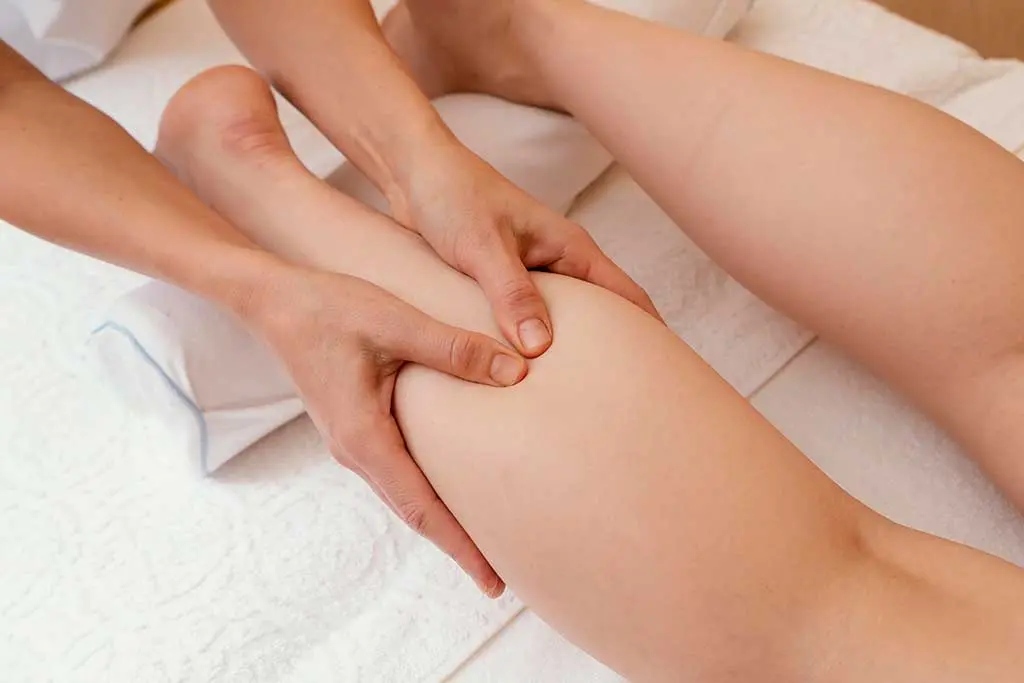
Find the Best Soft Tissue Massage Near Me
Call Body & Mind Osteopathic Clinic on (647) 995-7722
If you’re searching for a massage therapist near me or considering a therapeutic massage, Body & Mind Osteopathic Clinic offers specialized care to help relieve muscle tension and improve mobility. Under the skilled hands of Vadzim Siniauski— licensed RMT and Osteopathic Manual Practitioner (DOMP, MCIO, MD – Belarus)—you’ll receive personalized, results-driven treatment designed to address the root cause of pain and discomfort.
Call our Body & Mind Osteopathic Clinic in Toronto and Vaughan to book your consultation (647) 995-7722
Frequently Asked Questions
Soft tissue therapy involves manual manipulation techniques, such as stretching, myofascial release, and gentle pressure, to relieve muscle tension, enhance circulation, and improve mobility. The therapist uses their hands, fingers, elbows, or tools to apply targeted pressure and release restrictions in the muscles, tendons, and fascia.
Yes.
It is effective for injury recovery massage, muscle strain relief, and rehabilitation.
Look for a registered massage therapist near me at a reputable massage center or massage clinic with experienced professionals.
Soft tissue techniques refer to various manual therapy methods used to alleviate muscle tightness and improve flexibility. These may include deep stroking, myofascial release, trigger point therapy, cross-fiber friction, and assisted stretching. These techniques work together to promote healing, reduce pain, and enhance mobility.
No.
Soft tissue therapy is generally not painful, but some areas may be tender if there is significant muscle tension or restriction. A skilled registered massage therapist (RMT) will adjust the pressure to ensure a comfortable experience while still achieving effective results. Some mild soreness post-treatment is normal and typically resolves within a day or two.
The frequency of soft tissue therapy depends on individual needs and goals. For general wellness and relaxation, a session every 2-4 weeks is ideal. However, for chronic pain, injury recovery, or athletic performance, weekly or bi-weekly treatments may be recommended. Your massage therapist can help create a plan tailored to your condition.
While both aim to relieve muscle tension and improve mobility, soft tissue manipulation is more targeted and medically oriented than a general relaxation massage. Soft tissue manipulation often incorporates advanced techniques such as myofascial release, neuromuscular therapy, and trigger point therapy, whereas a traditional massage may focus more on overall relaxation and circulation enhancement.