Osteopathy is a manual therapy that includes joint mobilization and soft-tissue treatment in order to restore your body’s ability to self-heal and regulate. Knowing that your body functions as a unit and that health is holistic, your practitioner will apply various osteopathic techniques and principles to increase motion capacity and symmetry.
How Osteopathy Supports a Healthy Musculoskeletal System
The musculoskeletal system is the primary focus of osteopathic manual therapy. Osteopaths are trained to assess and treat dysfunctions in the bones, joints, muscles, fascia, and connective tissues, as these directly influence the overall health of the body.
However, osteopathy also views the body as an interconnected whole — so while the musculoskeletal system is the entry point, treatment aims to improve function in circulation, the nervous system, digestion, and lymphatic flow through structural balance.
In addition to treating musculoskeletal problems, osteopathy also takes into account the impact of other factors on overall health, such as stress, diet, and lifestyle habits.
Holistic Approach
Osteopathy looks at the body as a whole to understand the causes and treatment of health issues. Many recent injuries or chronic conditions may be helped by osteopathic care.
A Manual Osteopathic Practitioner takes a whole-body approach to care, addressing not just the area of discomfort, but how all systems—musculoskeletal, circulatory, and nervous—interact. Using gentle, hands-on manual therapy techniques, the goal is to restore balance, improve function, and promote overall wellness.
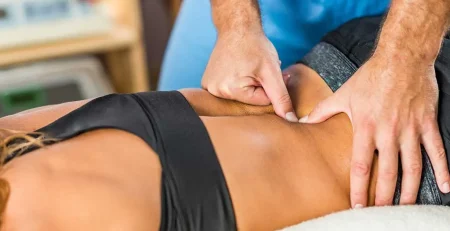
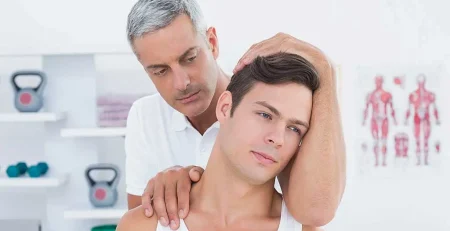
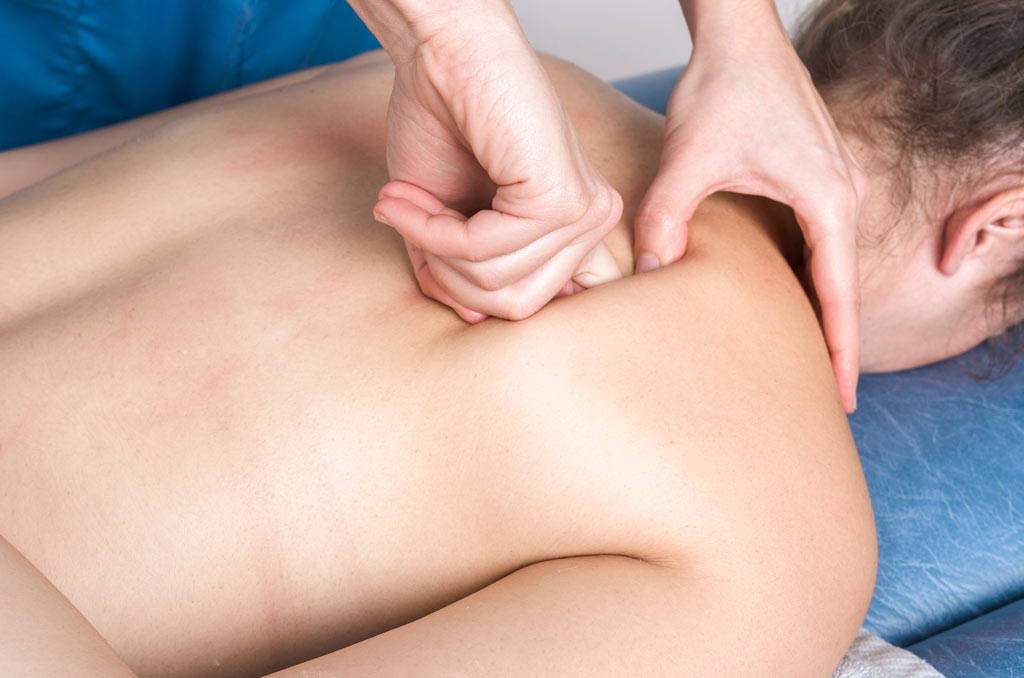
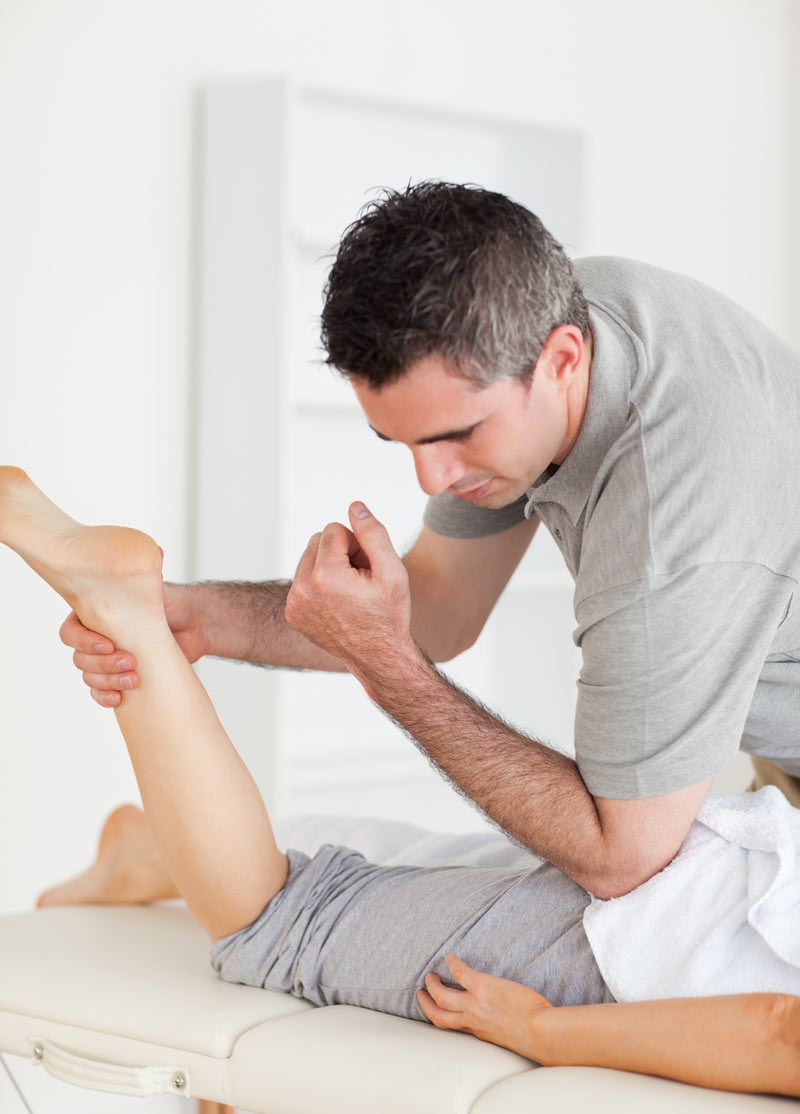
This form of care is known as Osteopathic Manual Therapy (OMT). It includes methods such as soft tissue release, gentle joint mobilization, myofascial release, stretching, and muscle energy techniques to help relieve pain, improve mobility, and support the body’s natural healing processes.
What is the difference between osteopathic physician (DOs), osteopathic manual practitioner?
Unlike osteopathic physicians (DOs), manual practitioners do not prescribe medication or perform surgery. Instead, they specialize in non-invasive, drug-free treatment that complements conventional medical care. Manual osteopathy is especially effective for chronic pain, postural imbalances, injury recovery, and nervous system regulation.
This holistic manual therapy supports both physical and emotional well-being—making it an ideal option for patients seeking natural, hands-on healing.
How does Manual Osteopathy work?
Manual practitioners of osteopathy look at all of the symptoms the patient presents with – not just the loud ones.
We listen to the patient and the patients body by taking the time to assess how your muscles and joints move, quality of movement and sensation. We ask in-depth questions about the patients lifestyle, digestion, and sleep patterns. Then we piece together the information to approach the problem from all angles and facilitate balance between the systems through gentle, non-invasive joint, fascial, muscle, visceral and cranial osteopathic manipulations. This way we create better balance across all systems and help your body heal more effectively.
What are the Body Systems?
Muscles & Fascia
Muscles are the springs that move us, while fascial tissue the web that holds us together. In dysfunction, both will become firm and restrictive to movement, eliciting ‘loud’ pain that may feel sharp or achey.
Bones & Joints
Bones are the living framework that give the body support and structure. Joints allow for movement capacity. In dysfunction, pain may or may not be present but is usually specific.
Viscera
Organs are the filling of our bodies that provide for bodily function and cellular feeding. In dysfunction the body will decrease mobility to guard them. Most dysfunctions tend to be ‘quiet’ and refer pain to other areas in both specific and general patterns.
Cranium & Spinal Canal
The cranium and spinal canal house the communication pathways of the body, and are made up of mobile, living tissues. Dysfunction here creates a vast array of consistent symptoms and pain tends to feel ‘untouchable’.
What does Osteopathy Treat?
Osteopathy can be used to treat a wide range of conditions, including back pain, neck pain, headaches, joint pain, and sports injuries. It may also be used to help manage chronic health conditions such as asthma, arthritis, and digestive disorders.
Conditions treated:
- Headache arising from the neck / migraine prevention
- Neck Pain
- General, acute and chronic backache, back pain
- Chronic/Unresolved Pain
- Medically Unexplained Pain
- Carpal Tunnel & Repetitive Use Injuries
- Joint pains including hip pain and knee pain
- Lumbago
- Sciatica
- Muscle spasms
- Neuralgia
- Fibromyalgia
- Inability to relax
- Rheumatic pain
- Arthritic pain
- Frozen shoulder, shoulder and elbow pain, tennis elbow
- Circulatory problems, cramp
- Digestive Issues
- Insomnia & Sleep Disturbance
- Whiplash
- Structural Dysfunctions
- Reduction in flexibility and movement
- Many more
Why does Osteopathy Work?
Osteopathy works because it treats the body as an integrated whole. Nothing in the body functions in isolation, and osteopathic massage techniques recognize this interconnectedness. Instead of focusing solely on symptoms, osteopathic practitioners use a holistic approach that considers physical, emotional, and lifestyle factors.
Ultimately, the effectiveness of osteopath massage techniques lies in their ability to activate the body’s natural healing processes, leading to lasting health improvements without relying on drugs or surgery.
Osteopathy Personalized Treatment Plans
Osteopathic practitioners work with patients to develop personalized treatment plans that address the root cause of their health problems, rather than simply treating the symptoms.
It involves developing personalized treatment plans for each patient.
Osteopathic practitioners assess the patient’s musculoskeletal system and overall health to determine the underlying causes of their symptoms. This involves taking a comprehensive medical history, conducting a physical examination, and assessing the patient’s posture, gait, and range of motion.
Why osteopathic initial assessment is important?
Based on the initial assessment, the osteopathic practitioner develops a treatment plan that is tailored to the patient’s specific needs and goals. The treatment plan may include a variety of manual therapy techniques, such as Fascial stretch therapy, Visceral Manipulation Massage, Osteoarticular Corrections, Access Bars technique, Myofascial release therapy, Manual lymphatic drainage, Pelvic floor dysfunction treatment, Craniosacral therapy, to improve range of motion and reduce pain and stiffness in the musculoskeletal system.
In addition to hands-on techniques, the treatment plan may also include recommendations for lifestyle modifications, such as exercise, nutrition, and stress management, to support overall health and well-being.
Throughout the course of treatment, the osteopathic practitioner monitors the patient’s progress and adjusts the treatment plan as needed to ensure that they are receiving the most effective care possible.
If you are experiencing pain or mobility issues, or have a chronic health condition, you may want to consider consulting with an osteopathic practitioner to determine if osteopathy may be a beneficial treatment option for you.
Save 10-15% Off Osteopathy Plans
You can purchase discounted treatment packages, which are valid for 6 months (6 sessions) and 12 months (12 sessions) from date of purchase.
- 6 x 60 minute osteopathy treatments (10% saving)
- 12 x 60 minute osteopathy treatments (15% saving)
Osteopathic treatments can be carried out using a number of techniques, depending on the needs and conditions of different patients. This versatility makes osteopathic treatments fit for the whole family.
**Purchased plans can not be used in conjunction with any other offer or promotion.
Learn more about osteopathic treatments we offer.
Why Choose Body & Mind Osteopathic Clinic
Nestled in the heart of Toronto’s North York corridor—just minutes from Yonge & Sheppard—and in our Maple clinic serving Vaughan and the wider York Region, Body & Mind Osteopathic Clinic delivers evidence-based osteopathy that Toronto residents trust.
If you’re searching for a “manual osteopath near me” or “osteopath Toronto,” schedule an appointment today and experience why so many Torontonians and Vaughan residents choose Body & Mind Osteopathic Clinic.