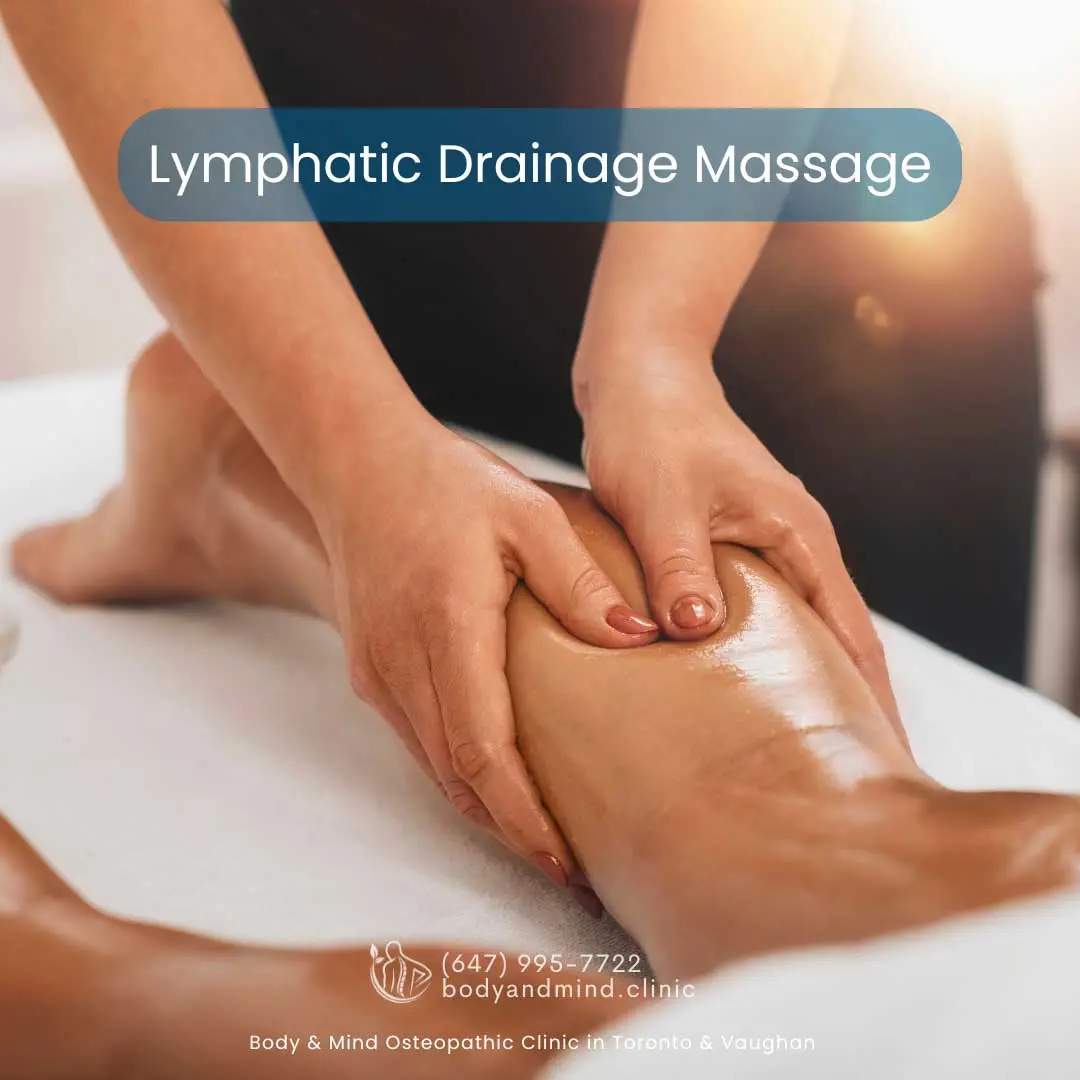
Manual Lymphatic Drainage (MLD) is a specialized massage technique that uses gentle, rhythmic movements to stimulate the natural flow of lymphatic fluid, helping to eliminate waste products and reduce swelling. Performed by our expert Registered Massage Therapist (RMT), Vadzim Siniauski, this therapeutic treatment supports the body’s detoxification process, promotes healthy circulation, and enhances overall wellness.
What is Manual Lymphatic Drainage?
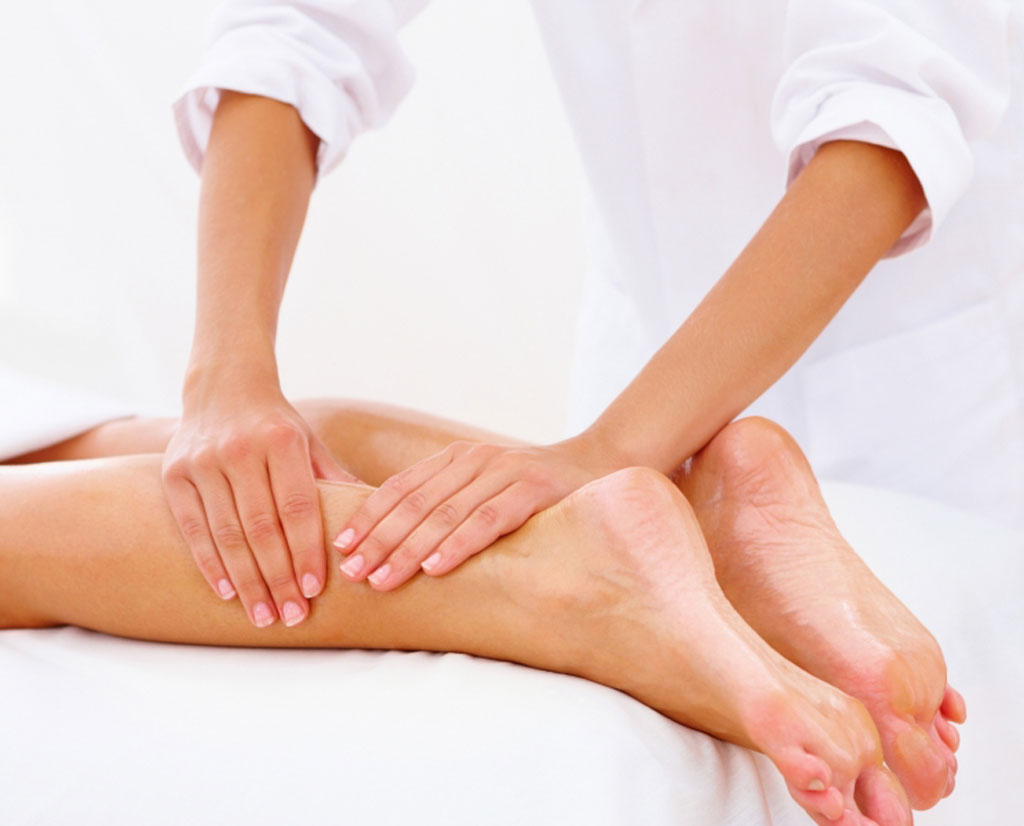
Manual lymphatic drainage is an advanced treatment where the massage therapist uses specialized and light pumping massage techniques to move the skin in the direction of flow of lymph fluid.
The gentle pressure stimulates the flow of lymph which is essential to the immune system, removal of waste products and defence of the body. Manual lymphatic drainage massage is both remedial and preventative and can improve general well-being. A well-functioning lymphatic system contributes to healthy body tissue and plays an important part in the body’s immune system.
Manual lymphatic drainage has become a main component in the management, control and maintenance of lymphoedema from primary or secondary causes.
What are Benefits of Manual Lymphatic Drainage Therapy?
1. Reduces Swelling and Lymphedema Relief
- Helps patients with Lymphedema, where lymph fluid builds up in the body, causing swelling.
- Alleviates thick, heavy, and fatigued legs, often associated with fluid retention.
- Effective in managing venous insufficiency and fluid congestion, including swollen ankles, puffy eyes, and pregnancy-related edema.
2. Supports Healing from Injuries and Surgeries
- Assists in the recovery process for sports injuries, such as sprains, strains, sciatica, and chronic low back pain.
- Beneficial for post-operative care, including hip/knee replacement, plastic surgery, and elective surgeries.
- Enhances healing of bone fractures, surgical scars, and burns, making scars smaller, softer, and less visible.
3. Eases Inflammatory and Chronic Conditions
- Provides relief from non-infected inflammatory conditions like tendinitis, whiplash injury, and shoulder/neck trauma.
- Helps manage chronic conditions such as rheumatoid arthritis, scleroderma, sinusitis, and chronic skin conditions like acne and eczema.
- Reduces fluid congestion in conditions such as pre and post-menstrual syndrome and pregnancy-related swelling.
4. Promotes Circulatory Health and Detoxification
- Improves blood flow and circulatory disturbances, aiding with constipation and digestive congestion.
- Plays a role in detox treatments by stimulating the immune system.
- Assists in reducing cellulite, improving waterlogged tissues, and supporting skin health after cosmetic surgery.
5. Enhances Maternal Care and Skin Health
- Prevents leg edema and reduces stretch marks during pregnancy.
- Minimizes existing stretch marks and enhances the healing of skin after surgery or injury.
- Treats chronic inflammation, allergies, and skin conditions associated with excess protein in connective tissue.
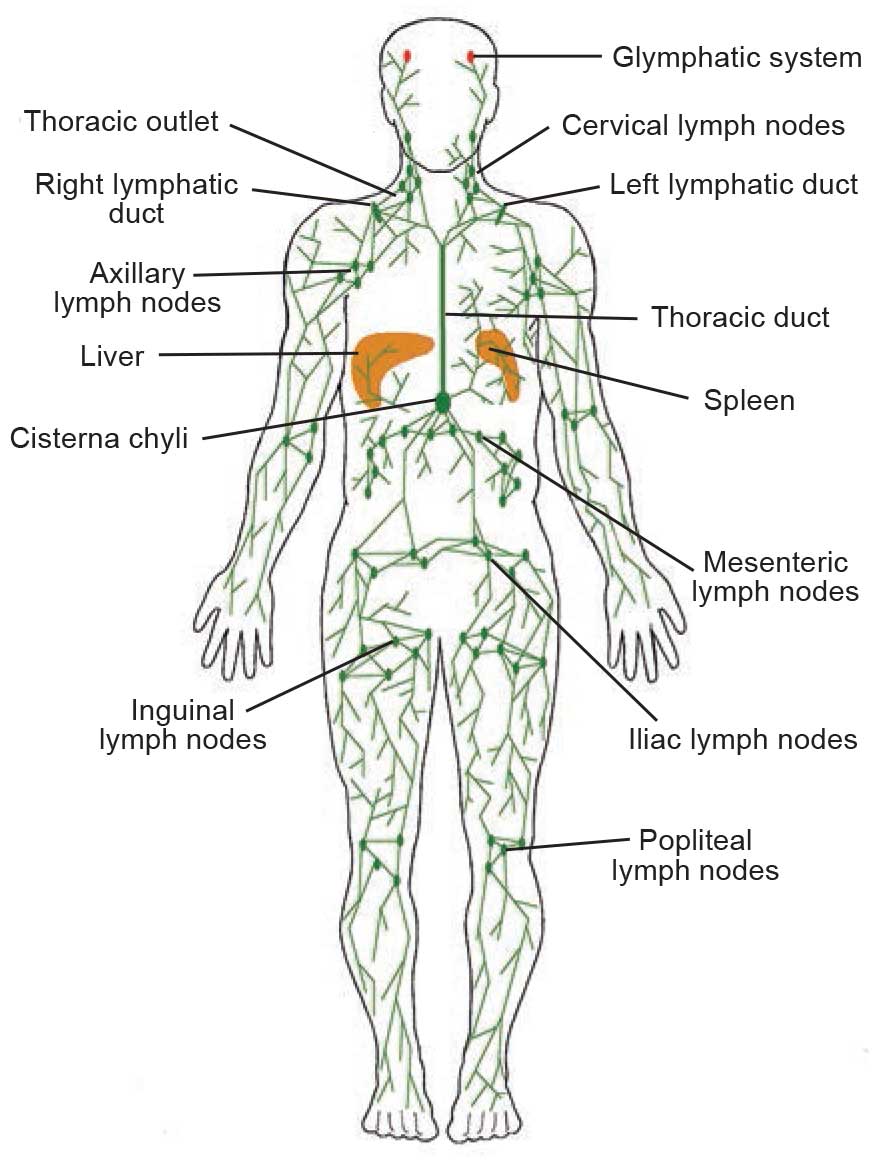
Why Lymphoedema Occurs?
Lymphoedema occurs through either blocked or damaged lymphatic vessels resulting in swelling (oedema) in arm of leg. In some occasions oedema can be found in either both legs or in 1 arm and 1 leg. Unlike other oedemas lymphoedema can lead to changes in the tissues called fibrosis and can lead to risk of infection. This can lead to increased difficulty in controlling lymphoedema. Lymphoedema is classed in 2 forms:
- Primary lymphoedema: this is usually determined from birth and may be due to underdeveloped lymphatic system. It can affect children, women and men of any age.
- Secondary lymphoedema: this occurs following or in the treatment of cancer and following surgery. It can also occur as a result of infection or other trauma.
This type of lymphoedema is treated by manual lymphatic drainage, compression therapy, remedial exercises and skin care.
Comprehensive Lymphedema Management: Key Treatment Components
1. Massage Therapy with Manual Lymphatic Drainage (MLD)
- Purpose: Remove excess fluid and proteins from tissues.
- Method: MLD is performed to open lymphatic tissues on the unaffected side, promoting efficient drainage of the affected area.
- Benefit: Stimulates the lymphatic system to remove fluid more quickly, leading to significant fluid reduction.
2. Compression Therapy
- Process: Multi-layered bandaging of the affected area immediately follows MLD treatment.
- Technique: Uses specific bandages and foam padding for precise and accurate compression.
- Outcome: Helps maintain fluid reduction, supports lymphatic flow, and prevents fluid buildup.
3. Remedial Exercises and Breathing Techniques
- Activities: Gentle exercises and deep breathing are integral to lymphoedema reduction and self-care.
- Mechanism: Enhances venous and lymphatic flow by activating muscle pumping action.
- Goal: Improves circulation, reduces fluid retention, and boosts the lymphatic system’s efficiency.
4. Skin Care and Hygiene
- Importance: Essential part of treatment to maintain skin health.
- Routine: Includes daily cleansing with neutral skin washes and lotions.
- Prevention: Minimizes the risk of fungal and bacterial infections, preventing cellulitis and recurring lymphoedema.
The Revolutionary Science of Manual Lymphatic Drainage: Dr. Vodder's Legacy
The Origins of Manual Lymphatic Drainage (MLD) Therapy
Manual Lymphatic Drainage (MLD) was pioneered in the early 1930s by Dr. Emil Vodder, a Danish physiotherapist, who developed a precise sequence of rhythmic, gentle pumping techniques to stimulate lymph flow. Working alongside his wife Estrid, Vodder discovered these methods could effectively relieve chronic conditions and manage lymphedema in patients recovering from cancer surgery and treatments.
How the Lymphatic System Works
The lymphatic system, a critical component of the immune system, consists of a network of vessels that transport lymph fluid containing white blood cells throughout the body. Unlike the circulatory system, the lymphatic system lacks a central pump like the heart and instead relies on muscular contractions and specific movements to facilitate flow.
Scientific Impact and Global Acceptance of MLD
Vodder’s techniques scientifically target the lymphatic system by applying specific pressure gradients (typically 30-40 mmHg) that enhance lymphatic transport capacity by up to 20%. Research has demonstrated that MLD increases lymph flow rates from the baseline of approximately 125 ml/hour to over 300 ml/hour in treated areas. Since Vodder’s groundbreaking work, MLD has gained widespread recognition, becoming a standard treatment in European healthcare facilities and gradually achieving global acceptance. The effectiveness of MLD has been validated through randomized controlled trials showing a 26-38% reduction in limb volume for lymphedema patients when combined with compression therapy.
Scientific Evidence Supporting Registered Massage Therapists (RMTs) in Manual Lymphatic Drainage
Studies from the College of Massage Therapists of Ontario have demonstrated that RMTs with specialized MLD training achieve comparable clinical outcomes to physiotherapists in lymphedema reduction, with measurements showing volume reductions of 28-34% when following standardized protocols.
Advanced Palpation Skills of RMTs in Manual Lymphatic Drainage
Research published in the Journal of Bodywork and Movement Therapies found that RMTs’ manual skills are particularly well-suited for MLD techniques, as their advanced palpation abilities allow them to detect subtle tissue changes and fluid accumulation with 22% greater accuracy than practitioners without massage therapy backgrounds.
Canadian Innovations in Manual Lymphatic Drainage (MLD) Research
1. Groundbreaking Research at McGill University Health Centre
Canadian researchers have, indeed, made significant contributions to our understanding of Manual Lymphatic Drainage (MLD) and lymphedema management. Specifically, the McGill University Health Centre in Montreal has been at the forefront of lymphatic research, consequently demonstrating that MLD combined with compression therapy can reduce limb volume by up to 40% in breast cancer-related lymphedema cases.
2. Advancements at Sunnybrook Research Institute and Indigenous Health Initiatives
Additionally, at Toronto’s Sunnybrook Research Institute, innovative imaging techniques have visualized the real-time effects of MLD on lymphatic vessels, thus showing a 28% increase in lymphatic contractility during and immediately after treatment sessions.
Moreover, Canadian physiotherapists have also pioneered specialized MLD adaptations for Canada’s Indigenous populations, subsequently incorporating traditional healing practices that have shown promising results in community health centers across northern territories.
Looking for Manual Lymphatic Drainage Near Me?
At Body & Mind Osteopathic Clinic, we offer specialized lymphatic drainage therapy led by Registered Massage Therapist (RMT). Our services include lymphatic fluid treatment near you, with a focus on improving blood flow through osteopathy. Whether you are looking for lymphatic drainage therapy in Toronto or need an RMT specializing in lymphatic massage in North York, our structured treatment plan provides personalized care to help reduce swelling, improve lymphatic flow, and promote overall healing.
Please see Vadzim Siniauski – Osteopathic Manual Practitioner DOMP, MCIO, RMT, MD (Belarus) – for an assessment or to answer questions about lymphatic drainage treatment for you.