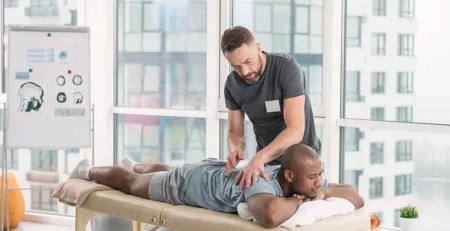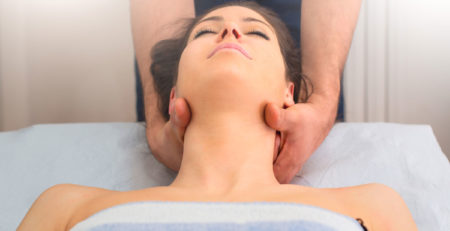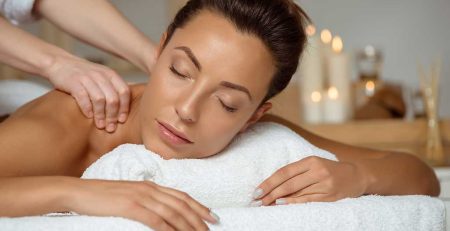
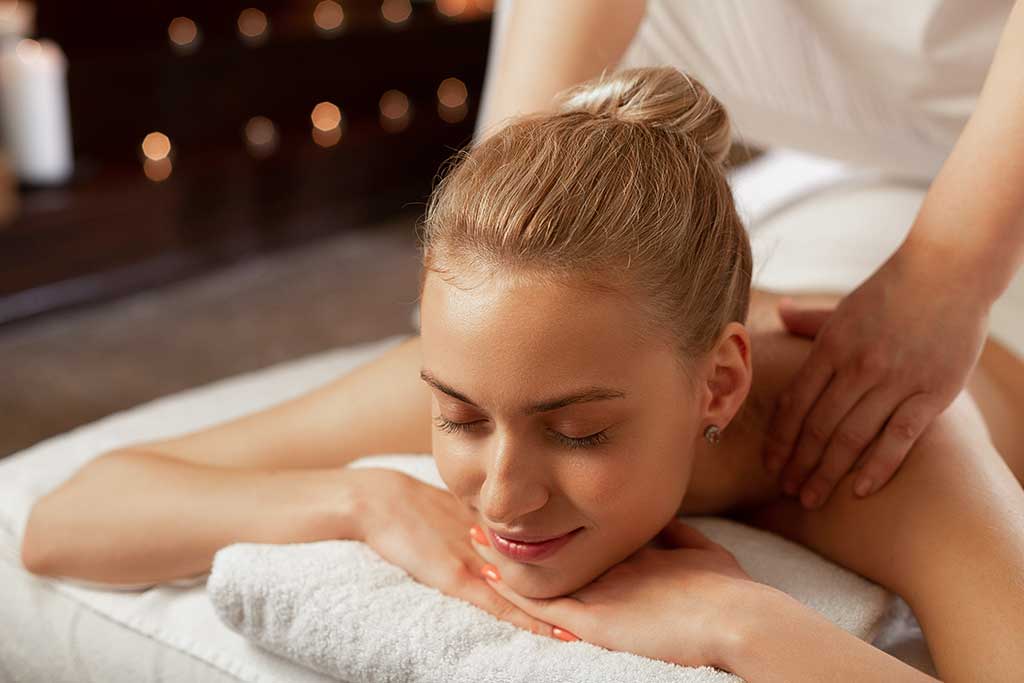
Massage therapy is becoming more known for helping with anxiety and depression. Studies show that getting massages regularly can greatly lower stress, helping people relax and feel better emotionally. By creating a feeling of connection and comfort, massage therapy helps with physical tension, improves sleep quality and also supports mental health, making it a useful extra treatment for those dealing with these issues.
Joy, excitement, waiting, and sometimes worry and sadness. These feelings are completely normal, but if they are getting in the way of your enjoyment, there are safe and natural ways to feel better.
Here at our RMT massage clinic in Toronto and GTA, we understand the unique challenges of everyday stress. That’s why we offer massages specifically designed to promote relaxation, reduce stress hormones, and improve your overall well-being.
What Triggers Anxiety and Depression?
Understanding the main reasons for anxiety and depression is important for managing them well. Common triggers can include big life changes, ongoing stress, and past trauma that hasn’t been dealt with. Also, things like genetics, brain chemistry, and the environment are important in how people feel these emotions.
How Massage Therapy Helps:
Lowers Cortisol:
Massage therapy can reduce cortisol, which is the main stress hormone in the body. This can help lessen feelings of anxiety and stress.
Increases Serotonin and Dopamine:
Massage can help improve mood and create feelings of happiness and well-being by increasing the release of serotonin and dopamine.
Encourages Deep Relaxation:
Massage techniques can help you relax deeply, which can be useful for dealing with anxiety and depression.
By targeting certain pressure points and using soft movements, these therapies can help let go of tension held in the body. Also, the relaxing setting of a massage session can make feelings of calm and safety even stronger.
Improves Sleep:
Reduced stress and more relaxation can help you sleep better, especially when anxiety and depression are problems.
Additionally, having a regular massage routine can boost these benefits, creating a cycle that supports overall well-being. As you focus on your mental health, adding massage therapy to your self-care routine can be a strong step toward finding balance and strength.
Provides Physical and Emotional Comfort:
Massage can provide physical and emotional comfort, which can be especially useful for people dealing with anxiety and depression.
The soft touch and steady movements can make a safe place for people to deal with their feelings, helping them feel connected and supported.
Also, the healing benefits of massage can continue after the session, helping people feel better and engage more in their lives.
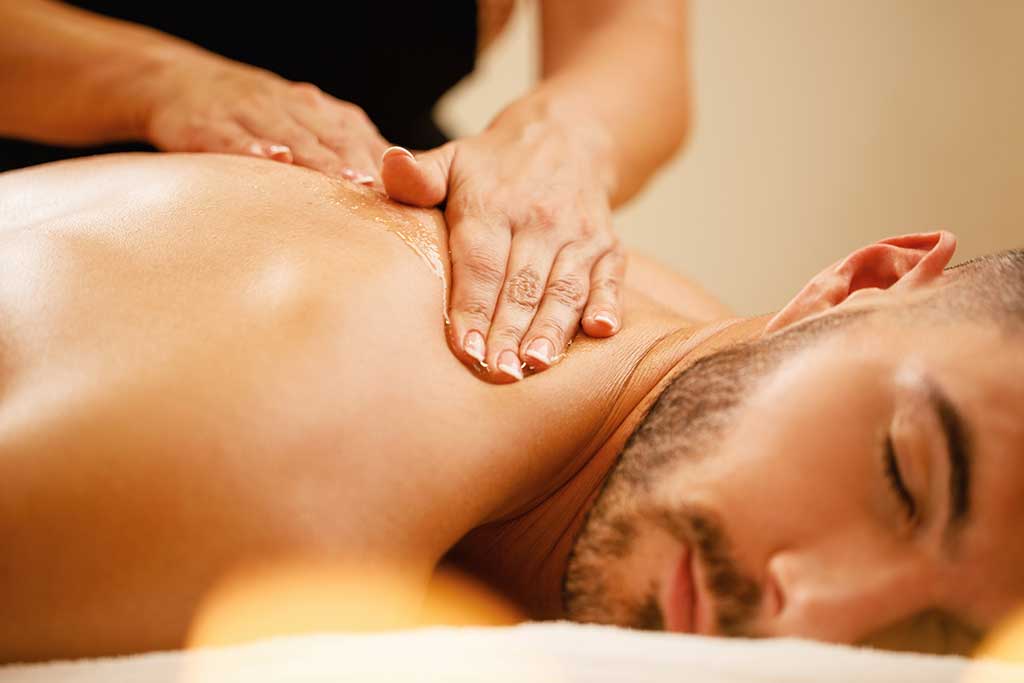
Types of Massage Therapy
Swedish Massage
Swedish massage is famous for helping people relax and improving blood flow. It is often suggested for those who feel anxious or depressed.
This method not only improves blood flow but also helps release endorphins, which adds to a general feeling of well-being. Because of this, many people find it especially helpful for reducing symptoms related to anxiety and depression.
Deep Tissue Massage
This massage technique focuses on the deeper muscles and tissues, which can help ease long-lasting pain and muscle tightness, often seen in anxiety and depression.
Other Techniques
Various other techniques, such as trigger point therapy, Craniosacral therapy, and myofascial release, can also be incorporated into massage therapy to address specific symptoms and needs.
Relaxation Massage for Anxiety and Depression at Body & Mins Osteopathic Clinic
Our Registered Massage Therapists (RMTs) are specially trained in a variety of advanced massage techniques tailored for stress relief, anxiety, and depression.
Here’s what you can expect during your session:
- Customized treatment: We will talk about what you need and adjust the massage to make sure you feel comfortable and safe.
- Focus on relaxation: The aim will be on soft touches and methods meant to help you relax and boost blood flow.
- Soothing Environment: You’ll enter a peaceful, healing space made to help you relax both your mind and body.
Best Practices for Using Massage Therapy for Anxiety and Depression
Personalized Care:
Each massage session is designed for your specific physical and emotional needs. The techniques and length of the session are adjusted based on what makes you comfortable and your healing goals.
Expert Recommendations:
Talking to a certified Registered Massage Therapist (RMT) or healthcare provider makes sure you get safe and effective care that fits with your overall health plan.
Supportive Holistic Approach:
Massage therapy works best when used alongside other treatments. It boosts the benefits of traditional therapies like counseling, cognitive behavioral therapy, and medication by helping you relax and find emotional balance.
Book Your Personalized Wellness Session Today
Ready to restore balance, reduce pain, and support your emotional well-being? At Body & Mind Osteopathic Clinic, our expert practitioners combine osteopathy and registered massage therapy to help you feel your best—naturally.
📞 Call us at (647) 995-7722 or book your appointment online now.

Written By: Vadzim Siniauski
Vadzim Siniauski is Certified Osteopathic manual practitioner DOMP, MCIO, and Registered Massage Therapist (RMT), MD (Belarus). Vadzim has an extensive experience in musculoskeletal health, pain management, and manual therapy techniques.
Our Editorial Process
At Body & Mind Osteopathic Clinic, we publish practical, experience-based content to help educate readers on osteopathy, rehabilitation, and wellness.
Writing: All our content is developed by experienced osteopathic practitioners and RMTs. It draws on reputable scientific literature, clinical research, and our real-world experience working with conditions such as back pain, joint stiffness, postural imbalances, and injury recovery.
Editing: Each article is reviewed internally by a senior practitioner to ensure accuracy, clarity, and alignment with our treatment protocols and patient education standards.
Verified by Practitioners: Before publication, content is verified by a licensed member of our clinical team to confirm that the medical information provided aligns with current best practices in manual therapy and osteopathic care.
Frequently Asked Questions
How does massage therapy lower cortisol levels
One 60-minute Swedish massage can drop salivary cortisol by 31 %. Lower cortisol calms the sympathetic nervous system, slows heart rate, and reduces rumination, producing noticeable anxiety relief that often lasts 24–48 hours.
Can massage therapy boost serotonin and dopamine to improve mood?
Massage therapy raises serotonin by about 28 % and dopamine by 21 % after a single full-body session. Higher serotonin stabilizes mood, while dopamine boosts motivation, together countering depressive symptoms.
How often should I schedule massage sessions to manage anxiety and depression?
Schedule a 60-minute massage every 1–2 weeks for at least 8 weeks. This frequency cuts trait-anxiety scores by 20–30 % and halves Beck Depression Inventory scores, giving sustained symptom relief.
Which massage techniques are most effective for easing anxiety?
Slow, rhythmical Swedish effleurage activates the parasympathetic system strongest. Adding myofascial release to neck and shoulders reduces tension-linked headaches, while gentle shiatsu pressure lowers pulse rate, together providing rapid anxiety relief.
Is massage therapy safe to use alongside psychotherapy or medication?
Massage therapy is safe with SSRIs, benzodiazepines, and CBT. By lowering physiological arousal it enhances talk-therapy engagement. Advise your practitioner if you use anticoagulants or have skin conditions before treatment.
How quickly can massage therapy reduce symptoms of anxiety?
Heart rate and blood pressure fall within the first 5 minutes of a session. State-Trait Anxiety Inventory scores typically drop 10–15 points immediately after one 30- to 60-minute massage.
Are there long-term benefits of regular massage for depression?
Weekly massages for 12 weeks keep serotonin high and cortisol low; six-month follow-ups show depression relapse rates 25 % lower than controls, confirming long-term benefit when sessions continue at least monthly afterward.