
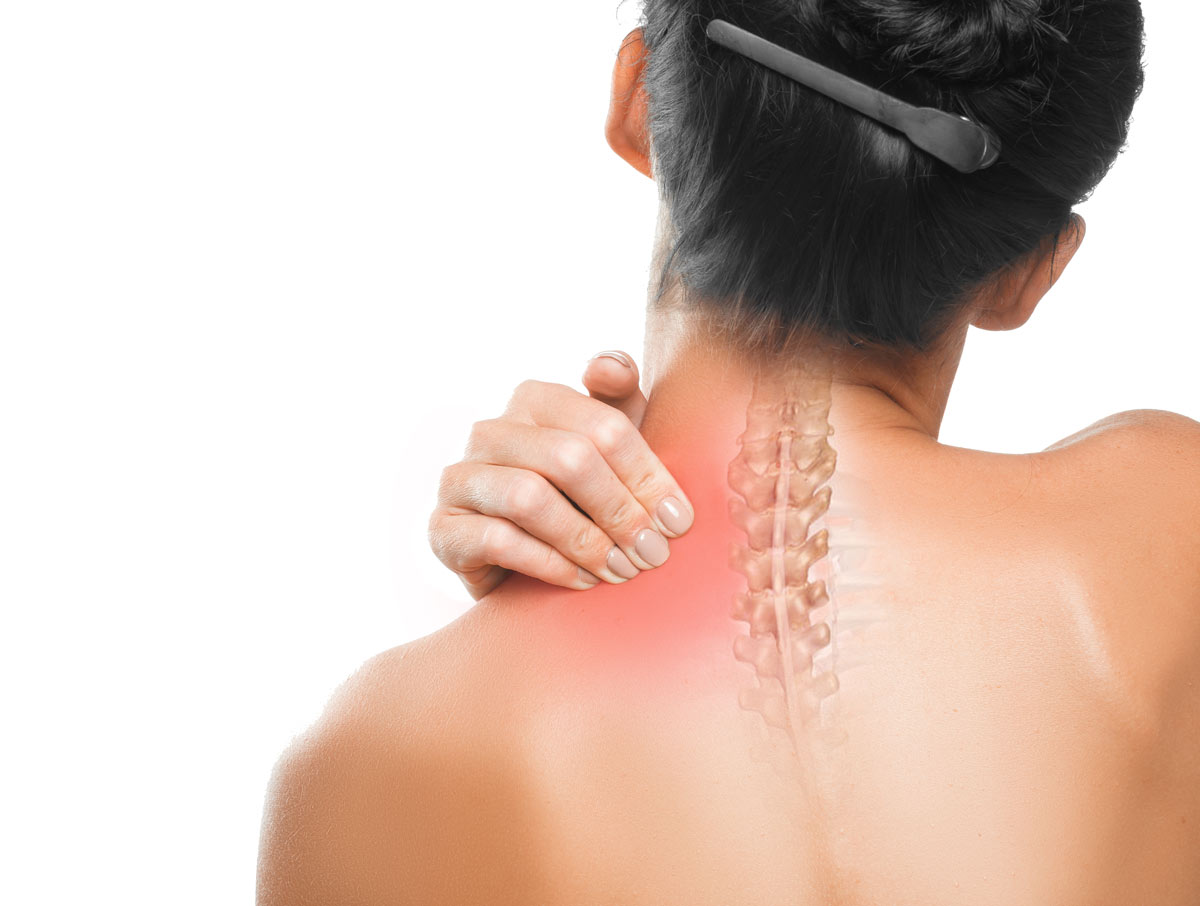
Neck Pain
Neck pain is a common problem which, perhaps surprisingly, can result in headaches, migraines, muscle spasms and pain in the arms or shoulders. Compression of nerves in the neck area can cause pain, tingling or numbness all the way down the arms and into the hands and lead to tension headaches. Pain in the neck can also be caused by poor posture, compromising sleeping positions, work or sports related injuries and trauma such as whiplash from an accident. Babies can also suffer from neck muscles pain as a result of the birth process.

What Causes Neck Pain?
Pain in the neck can take varying times to heal depending on the cause of the problem.
- Lifestyle factors eg. sleeping position, prolonged computer use
- Postural issues
- Stress, anxiety or depression
- ‘Wear and tear’ to the neck joints (osteoarthritis)
- Disc bulge or prolapse
- Muscle strain
- Whiplash
- Cervical disc herniation is a common cause of neck and upper body pain
Types of Pain
There are different types of neck pain profile, some people have only one type of neck pain while others can have a mix.
Central neuropathic pain
Central pain syndrome is a chronic neuropathic pain disorder caused by damage to the central nervous system. It can occur after a stroke, brain injury, or spinal cord injury. However, it can also be present along with conditions like multiple sclerosis or Parkinson’s disease.
Neuropathic neck pain
Stemming from the nerves or nerve roots in the cervical spine, neuropathic pain could result from conditions such as a herniated disc that presses against a nearby nerve, or other causes of nerve compression.
Mechanical neck pain
This pain stems from the spine and its supporting structures (e.g., muscles, ligaments, bones, or cartilage). Typically, mechanical pain is caused by poor posture, neck strain caused by work or sporting/physical activities, and even stress.
Common Symptoms
- Stiffness (a reduction in movement and flexibility) in the neck area of the body
- Tension or pain (particularly in the shoulders and up into the back of the head)
- Muscle spasm
- Sharp pain going down one arm (can be tingling due to an irritated nerve)
- Dizziness
- Headaches
- Limited movement
How Can Osteopathy Treat Neck Pain?
One of the best ways to resolve the pain is with osteopathy treatment – a corrective manual therapy that encourages boney and muscular alignment of the neck and upper back muscles that become strained from overuse.
An osteopath will do a thorough assessment to work out the cause of your pain. If osteopathic treatment is appropriate, it may include soft tissue massage and mobilisation of the neck and spine. The aim is to reduce pain, improve ease of neck movements and increase resilience to further episodes of neck soreness. An osteopath will also give you advice on lifestyle, posture and exercises to do at home. In some instances, you may be referred to your GP for a scan, X-ray or other tests to rule out possible underlying conditions.
The result?
You will feel very relaxed, have increased neck and shoulder mobility and you can get on with your life without pain.
Each osteopathic treatment goes beyond relieving neck and shoulder pain. Body & Mind Osteopathy will also show you how to manage your posture and movement habits to help prevent the pain returning.
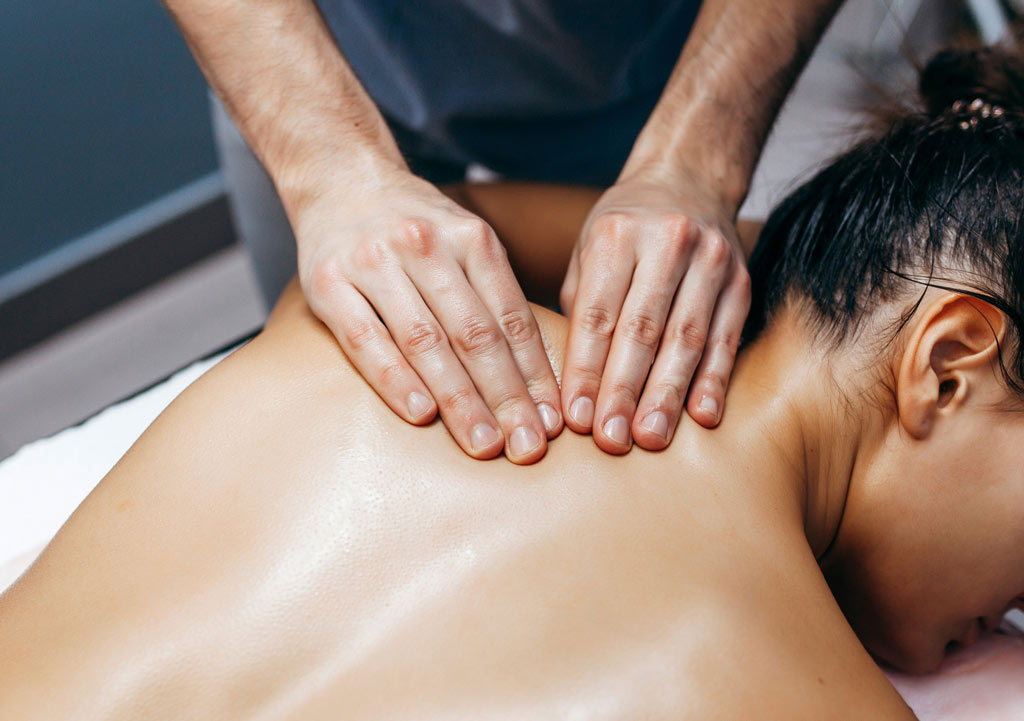
Understanding Upper Body Discomfort and Its Impact on Well-Being
Pain and stiffness in the upper body can significantly affect daily activities, often leading to discomfort in the shoulders, arms, and even causing persistent headaches. When tension builds up, it may result in muscle tightness, nerve compression, and reduced mobility, making simple movements difficult.
Factors contribute to the discomfort
Many factors contribute to this discomfort, including poor posture, prolonged screen time, improper sleeping positions, and previous injuries such as whiplash. Identifying the root cause is essential for effective treatment, allowing individuals to regain ease of movement and improve their overall well-being.
What Happens During an Osteopathy Session?
A qualified osteopath will begin with a comprehensive assessment to determine the root cause of your discomfort. If osteopathic treatment is suitable, the session may include:
- Soft tissue massage to relax tense muscles and improve blood flow
- Joint mobilization to restore movement and reduce stiffness
- Postural correction guidance to prevent future discomfort
- Gentle stretching and cranial osteopathy to encourage relaxation and balance
- Lifestyle and ergonomic advice to support long-term recovery
Osteopathic Care Helps
Osteopaths use a wide range of manual therapy techniques including soft tissue massage to soften muscle tension, gentle stretches and articulation and manipulation of the joints as appropriate. Also, we may use gentle cranial osteopathic techniques to re-balance the equilibrium or the spine and cranium, to ease the symptoms and return the patient to good health. Contact our neck pain treatment Toronto clinic today to set up your therapy.
Frequently Asked Questions
What is the best treatment for neck pain?
The best treatment for neck pain depends on the cause but often includes manual therapy, postural correction, and stretching. Osteopathic treatment is highly effective for relieving neck stiffness, improving alignment, and restoring mobility. Other options include physical therapy, ergonomic changes, and heat or ice therapy. In persistent cases, dry needling or therapeutic massage may also help reduce muscle tension.
How do you rehab your neck?
To rehab your neck, start with gentle range-of-motion exercises, posture training, and strengthening of the upper back and shoulder muscles. A professional such as an osteopath or physiotherapist can guide you through a tailored neck rehabilitation program to improve spinal alignment, muscle balance, and nerve function.
How long does neck rehab take?
Neck rehab typically takes 4 to 12 weeks, depending on the severity of the condition and the consistency of treatment. Mild neck strain may resolve within a few sessions, while chronic or nerve-related conditions require longer-term care with regular manual therapy and corrective exercises.
How to rehab a pinched nerve in the neck?
Rehabbing a pinched nerve in the neck involves reducing inflammation, improving cervical spine mobility, and relieving pressure on the nerve root. Techniques may include osteopathic manipulation, nerve gliding exercises, cervical traction, and posture correction. Early intervention can prevent long-term damage and restore nerve function.
How do you treat C5 C6 neck pain?
C5-C6 neck pain is commonly treated with spinal mobilization, soft tissue therapy, and cervical stabilization exercises. Osteopathic care focuses on decompressing the affected area, restoring movement, and reducing nerve irritation. Strengthening supporting muscles and correcting posture also prevent recurring pain.
Do osteopaths do neck adjustments?
Yes, osteopaths trained in manual therapy perform safe neck adjustments when appropriate. These techniques help realign cervical vertebrae, reduce muscle tension, and improve neck mobility. Osteopathic neck treatment is always personalized to your condition, ensuring safety and effectiveness.