Are you a top-level athlete or someone who enjoys sports on weekends? Muscle pain, tightness, and tiredness can stop you from doing your best. This is where professional sports massage comes in. This special therapy does more than just help you relax — it’s a proven way to speed up recovery, stop injuries before they happen, and boost your sports performance. If you’ve looked up “athletic massage near me” before, you know you need skilled hands to keep your body in top shape.
What is Sports Massage Therapy and How It Works
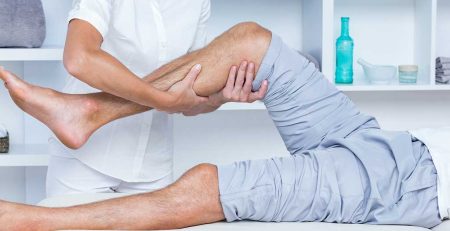
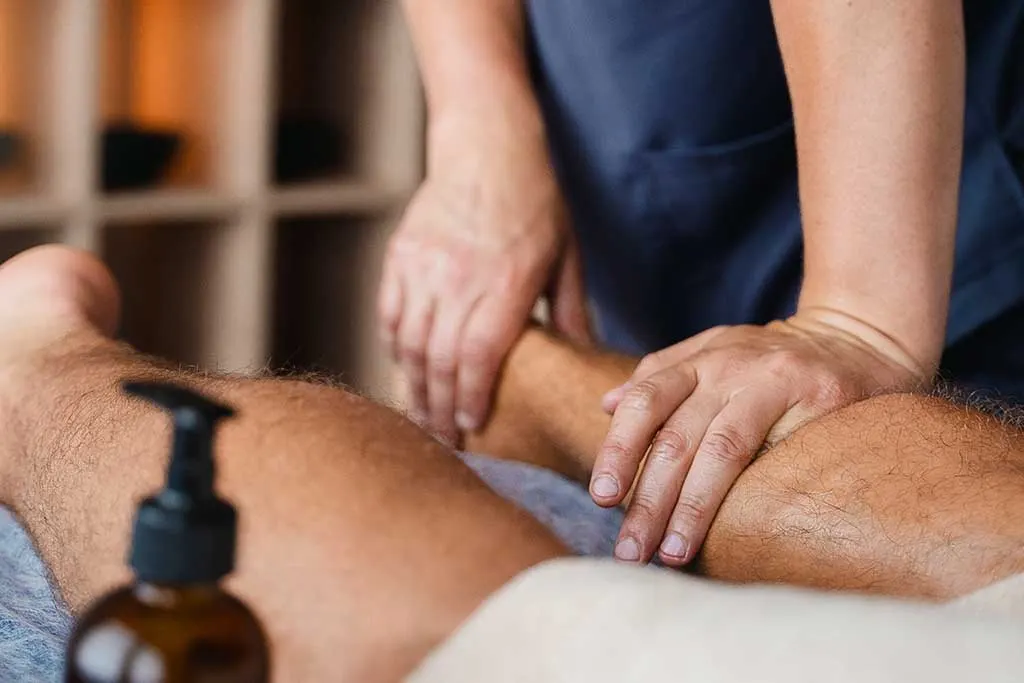
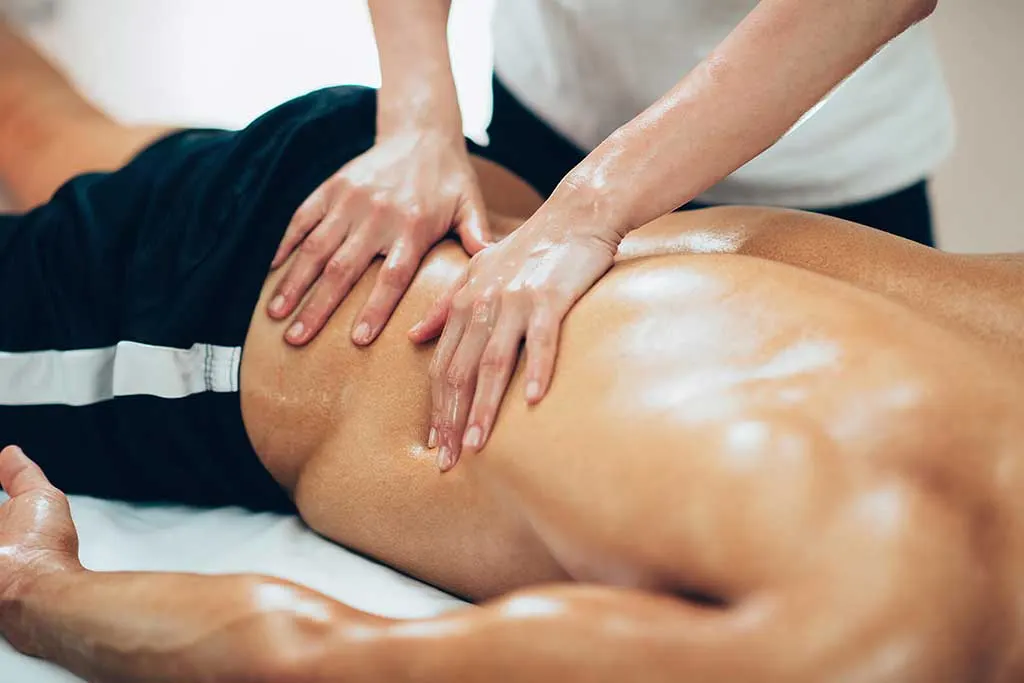
A sports massage is a type of massage therapy that is specifically designed for athletes and people who engage in intense physical activities. It typically involves applying pressure to the muscles, tendons, and ligaments to to relax the body, ease pain, and boost physical performance.
How Sports Massage Differs from Regular Massage
Unlike traditional massages that primarily focus on relaxation and stress relief, sports massage targets specific muscle groups engaged during physical activities. The main differences lie in both intention and application. While regular massage uses gentle, flowing strokes to promote general wellbeing, sports massage employs deeper, more focused techniques to address athletic concerns.
Sports massage is tailored to meet the unique demands put on your body during physical activity. It incorporates deep tissue manipulation, stretching, and friction techniques to alleviate muscle tension, increase flexibility, and improve range of motion. Moreover, sports massage therapists possess specialized knowledge of sports-specific biomechanics, allowing them to effectively treat areas prone to overuse or stress.
Techniques Used in Sports Massage Therapy
Several key techniques form the foundation of effective sports massage:
Effleurage: Long, sweeping strokes applied along muscle length that warm tissues, stimulate circulation, and prepare the body for deeper work.
Petrissage: Kneading and squeezing motions that mobilize soft tissues, enhance circulation, and release waste products.
Friction: Deep pressure applied in circular or linear motions across muscle fibers to break down adhesions and scar tissue.
Tapotement: Rhythmic tapping or striking movements that energize and stimulate muscle tissue.
Vibration: Rapid shaking movements that promote relaxation and improved circulation.
Role of Registered Massage Therapists (RMTs)
Registered massage therapists play a vital role in athletic care. They possess advanced training in anatomy, physiology, and sports-specific conditions that allows them to effectively address the unique needs of active individuals.
These professionals can tailor treatments for pre-event preparation, post-event recovery, injury rehabilitation, and maintenance care throughout training cycles. Consequently, many sports teams and athletic centers employ RMTs as essential members of their healthcare teams to help athletes perform at their best.
Top Benefits of Sports Massage for Athletes and Active Individuals
Regular sports massage offers exceptional value for active individuals seeking to enhance their physical capabilities. Research demonstrates multiple evidence-based benefits that can significantly impact athletic performance and overall well-being.
Improves Flexibility and Range of Motion
Athletic performance relies heavily on optimal flexibility. Meta-analysis of seven studies found that massage significantly increases flexibility scores by 7% (*). This improvement occurs through several biomechanical mechanisms, as massage creates mechanical pressure that increases muscle compliance, leading to decreased passive stiffness and increased joint mobility.
Sports massage techniques like cross-fiber friction and compression effectively break up adhesions that restrict joint motion. For athletes, this translates to improved performance in activities requiring extensive range of motion. Indeed, another study revealed that a sports massage protocol demonstrated 3.2% greater flexibility than static stretching alone.
Reduces Muscle Soreness and Tension
One of the most appreciated benefits of sports massage is its ability to minimize post-exercise discomfort. A comprehensive meta-analysis of 29 studies found that massage therapy produces a statistically significant 13% improvement in measures of delayed onset muscle soreness (DOMS) (*).
Post-workout massage works by increasing blood circulation to muscles, removing metabolic waste products, and reducing inflammation. Through techniques like effleurage and petrissage, sports massage helps release tension in muscle fibers that accumulates during intense training.
Speeds up Recovery After Intense Workouts
After strenuous exercise, your body needs efficient recovery to prepare for the next training session. Sports massage accelerates this process through several mechanisms. First, it enhances blood flow to damaged tissues, delivering essential nutrients and oxygen while removing toxins.
Furthermore, sports massage helps flush out lactic acid and other waste products that contribute to muscle fatigue. This is particularly beneficial for athletes in training cycles who need to maintain consistent performance levels. The increased circulation also promotes faster healing of microtears in muscle fibers – a common result of intense exercise.
Helps Prevent Sports-Related Injuries
Injury prevention represents a crucial benefit for anyone investing in regular physical activity. Sports massage helps identify and address muscle imbalances, tightness, and potential problem areas before they develop into serious injuries.
By maintaining muscle balance, improving tissue elasticity, and ensuring proper blood flow, sports massage significantly reduces the risk of common athletic injuries like strains and sprains. Massage techniques also improve proprioception (your body’s awareness of its position), which further decreases injury risk during physical activities.
Supports Mental Relaxation and Focus
The psychological benefits of sports massage extend far beyond physical recovery. Research indicates that massage therapy positively influences the autonomic nervous system, encouraging a shift toward the parasympathetic state where relaxation thrives. This results in:
- Reduced anxiety and stress levels
- Improved mood and overall well-being
- Better sleep quality
- Enhanced mental focus
For athletes facing competitive pressure, these mental benefits prove invaluable. The therapy triggers the release of endorphins, serotonin, and dopamine while simultaneously reducing cortisol levels. This biochemical shift creates an optimal mental state for performance, helping athletes maintain focus even under pressure.
Who Should Get a Sports Massage in Toronto?
The benefits of sports massage extend far beyond elite competitors. In Toronto, various individuals can experience significant improvements in both physical performance and daily comfort through this specialized therapy. Let’s explore who can gain the most from sports massage treatments.
Professional and Amateur Athletes
Both professional and amateur athletes experience extraordinary physical demands that can benefit from sports massage therapy. Professional athletes find sports massage crucial for maintaining peak condition throughout training cycles, whereas amateurs gain advantages in recovery and injury prevention. At LiveActive Sport Medicine in Toronto, massage therapists not only possess professional expertise but also understand the specific challenges athletes face firsthand.
Sports massage works effectively for athletes at all levels because it addresses unique concerns like muscle fatigue, flexibility limitations, and recovery needs. For professional athletes, regular treatments help maintain consistent performance levels, especially during intensive training periods. Amateur athletes, on the other hand, can use sports massage to enhance their recreational pursuits while minimizing recovery time between sessions.
Runners, Cyclists, and Gym-Goers
Endurance athletes like runners and cyclists place repetitive strain on specific muscle groups, making them ideal candidates for sports massage. According to research, runners training for marathons particularly benefit from maintenance-type sports massage, which helps minimize injury risk and prepares their bodies for actual events. Runners often experience issues like iliotibial band friction syndrome and Achilles tendonitis that respond well to regular massage therapy.
For cyclists, sports massage addresses unique concerns related to prolonged periods in fixed positions. Gym enthusiasts also benefit greatly, as deep tissue work helps alleviate the muscle soreness that frequently follows strength training sessions. Although sports massage doesn’t directly improve performance according to a 2020 review, it notably increases flexibility and decreases delayed onset muscle soreness (DOMS) (**).
People Recovering from Injuries
Individuals recovering from sports-related injuries find tremendous value in therapeutic massage. Sports massage effectively treats many common athletic injuries by increasing blood circulation to damaged tissues and reducing inflammation. For those with soft tissue injuries like sprains and strains, massage therapy can significantly reduce recovery time.
According to research, massage helps break down scar tissue that forms after injury, leading to reduced pain and improved range of motion. Even during early recovery stages, appropriate massage techniques can facilitate healing by improving circulation while avoiding direct pressure on injured areas.
Office Workers with Repetitive Strain
Although seemingly far removed from athletics, office workers frequently develop repetitive strain injuries (RSI) that respond excellently to sports massage therapy. Common issues include carpal tunnel syndrome, tendonitis, and chronic neck and shoulder tension resulting from prolonged sitting and repetitive movements.
At our massage clinic in Toronto, specialists recognize that sedentary work environments lead to specific physical challenges including poor posture, muscle stiffness, and impaired blood flow. Sports massage techniques effectively address these issues by targeting affected muscle groups and improving circulation. Deep tissue massage particularly helps alleviate chronic muscle tension, relieves pain, and improves mobility for individuals suffering from poor posture and repetitive strain injuries.
How to Choose Your Sports Massage Therapist in Toronto
Finding the right sports massage therapist requires careful consideration of several key factors. When choosing a sports massage professional in Toronto, your decision will directly impact your treatment outcomes and overall satisfaction.
Check for RMT Certification and Experience
First and foremost, verify that your therapist is a Registered Massage Therapist (RMT) regulated by the College of Massage Therapists of Ontario (CMTO). Unlike regular spa massage practitioners, RMTs have completed extensive education in anatomy, physiology, pathology, and hands-on techniques. This regulation ensures they meet professional standards and possess the clinical knowledge to properly assess and treat your condition.
Why Choose Vadzim Siniauski for Sports Massage Therapy in Toronto?
Vadzim Siniauski, Osteopathic Manual Practitioner DOMP, MCIO, RMT, MD (Belarus), combines years of clinical expertise with a deep understanding of athletic performance and rehabilitation. His unique training in both osteopathy and massage therapy ensures a highly effective, evidence-based approach tailored to athletes and active individuals.
What is the Difference Between a Deep Tissue Massage and a Sports Massage?
The deep tissue massage helps relieve long-term muscle tightness, reduce pain, and improve movement. It helps fix posture and encourages relaxation. Experts often recommend it for chronic pain, stiff muscles, or injuries from bad posture, repeated actions, or too much strain.
On the other hand, sports massages focus on improving athletic performance and managing or preventing sports-related injuries. It increases flexibility, range of motion, and muscle balance. Sports massage therapy also helps relax tight muscles, speeds up recovery, and addresses athlete-specific issues like muscle strains and tightness.
Conclusion: Taking Your Performance to the Next Level
Sports massage therapy stands as an essential component of athletic training and recovery for both competitive athletes and active individuals. Throughout this guide, we’ve explored how this specialized therapy differs significantly from regular massage by targeting specific muscle groups and addressing athletic concerns rather than simply providing relaxation. Indeed, the evidence clearly demonstrates that regular sports massage sessions deliver remarkable benefits, including improved flexibility, reduced muscle soreness, faster recovery times, and decreased injury risk.
Whether you’re a marathon runner managing repetitive strain, a weekend warrior recovering from intense workouts, or an office worker combating the effects of prolonged sitting, sports massage offers tailored solutions for your specific needs. Additionally, the psychological benefits—reduced anxiety, improved focus, and better sleep quality—provide comprehensive support for overall wellbeing beyond physical recovery.
Toronto Sports Massage Near Me
Looking for a proven way to recover faster, perform better, and prevent injuries? Sports massage in Toronto offers targeted, therapeutic care designed for active bodies.
At Body & Mind Osteopathic Clinic in Toronto and Vaughan, our expert team provides personalized sports massage therapy to help reduce muscle soreness, improve flexibility, and support peak athletic performance. Whether you’re a weekend warrior or a competitive athlete, our hands-on approach helps your body heal, recharge, and stay strong.
Book a session with Vadzim Siniauski, RMT and Osteopathic Manual Practitioner. He’ll be happy to assess your needs and create a treatment plan tailored to your fitness goals.
Reference
(*) National Library Of Medicine https://pmc.ncbi.nlm.nih.gov/articles/PMC7228568/
(**) Runner’s World https://www.runnersworld.com/uk/health/a44034342/sports-massage/
Frequently Asked Questions
How long do the effects of a sports massage typically last?
The duration of effects varies from person to person. Some may feel the benefits for just a few days, while others might experience improvements for over a month. It’s important to communicate with your therapist about how you feel after the massage to optimize future sessions.
Is a therapeutic massage better than a sports massage?
When comparing therapeutic massage to sports massage, it largely depends on individual needs and goals. Therapeutic massage focuses on relaxation and stress relief, often targeting specific areas of tension, while sports massage is designed to enhance athletic performance and aid in recovery. Ultimately, both types of massage offer unique benefits, and the best choice may vary based on personal preferences and physical demands.
What is the difference between a full body massage and a sports massage?
A full body massage is typically relaxation-focused, covering all major areas—back, legs, arms, neck, and shoulders—to promote general wellness and circulation. A sports massage, however, is therapeutic and goal-oriented, aimed at treating tight muscles, joint stiffness, or sports-related strain. It’s tailored to your body’s needs based on your physical activity level and fitness goals.
What should I do to prepare for a sports massage?
To prepare for a sports massage, communicate any injuries or concerns to your therapist, stay well-hydrated 24 hours before the session, wear comfortable clothing, avoid heavy meals right before the massage, and consider doing light warm-up exercises to loosen your muscles.
What should I wear to a sports massage therapy session in Toronto?
When attending a sports massage therapy session in Toronto, it is advisable to wear loose, comfortable clothing that allows for easy movement. Opt for breathable fabrics that won’t restrict your range of motion, as this will help the therapist access the areas that need attention. Additionally, consider wearing layers, as the temperature in the treatment room may vary, and you want to ensure your comfort throughout the session.
How long is a typical sports massage session?
A typical sports massage session usually lasts between 30 to 90 minutes, depending on the individual’s needs and the specific areas being targeted. Shorter sessions may focus on particular muscle groups, while longer sessions allow for a more comprehensive treatment. It’s essential to discuss your preferences and goals with your therapist to determine the ideal duration for your session.
Are sports massage sessions covered by insurance in Ontario?
In Ontario, many insurance plans do cover sports massage therapy, particularly if the treatment is provided by a registered massage therapist (RMT). It’s important to check with your specific insurance provider to understand the details of your coverage, including any required documentation or referral from a healthcare professional. Additionally, some employers may offer wellness programs that include massage therapy as part of their health benefits.
What happens during a sports massage?
During a sports massage, the therapist uses different methods based on what the person needs, focusing on specific muscles that might be tight or painful. The session usually starts with a talk about any problem areas, then includes deep tissue work, stretching, and movements to improve blood flow and reduce tension. As the massage goes on, the therapist might also give advice on the condition of the muscles and recommend exercises to keep flexibility and strength after the treatment.
Do I need physio or sports massage?
Deciding between physiotherapy and sports massage depends on what you need and your situation. If you’re healing from an injury or have ongoing pain, physiotherapy might be better because it helps with recovery and getting back to normal. However, if you want to improve your performance, ease muscle tightness, or get ready for an event, sports massage can be a great addition to your training routine.