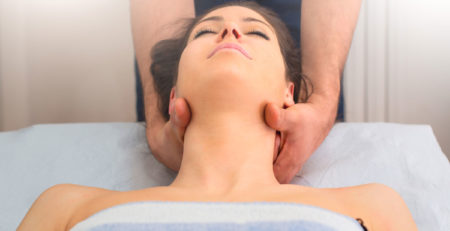
Are you looking for a Swedish Massage in Toronto? When most people think of massage therapy, they usually think of Swedish massage. It is the most popular type of therapy and the best-known one today. Swedish massage relaxes and treats the whole body by gently rubbing along the muscle fibers with long strokes towards the heart. This type of massage not only helps you relax but also has important health benefits. These benefits include reducing toxins in the muscles and improving oxygen levels in the blood and circulation.
What is Swedish Massage?
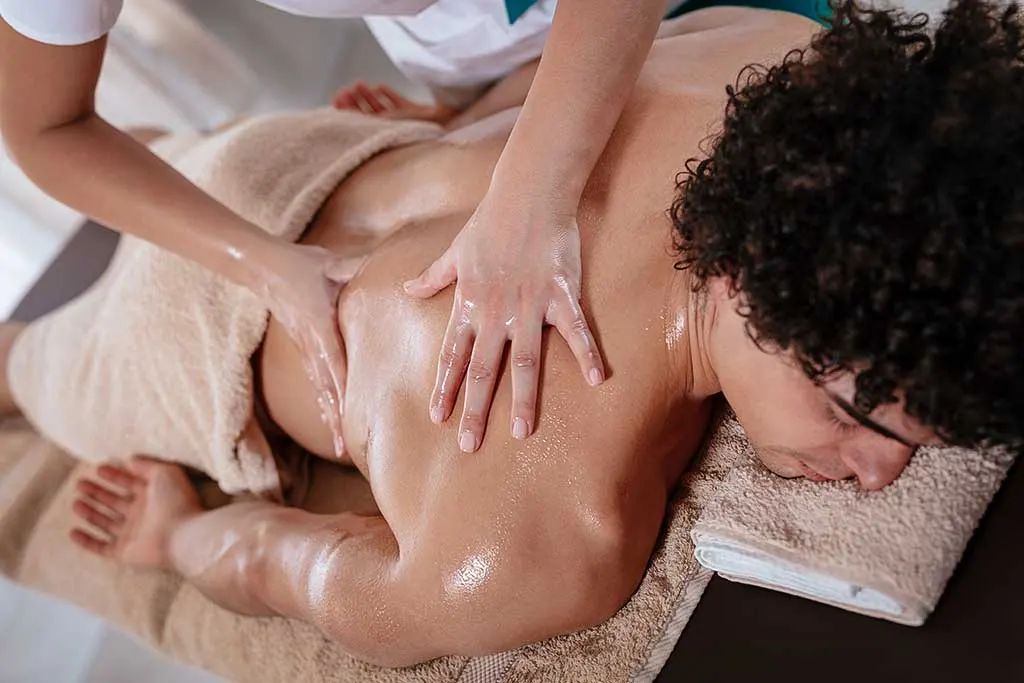
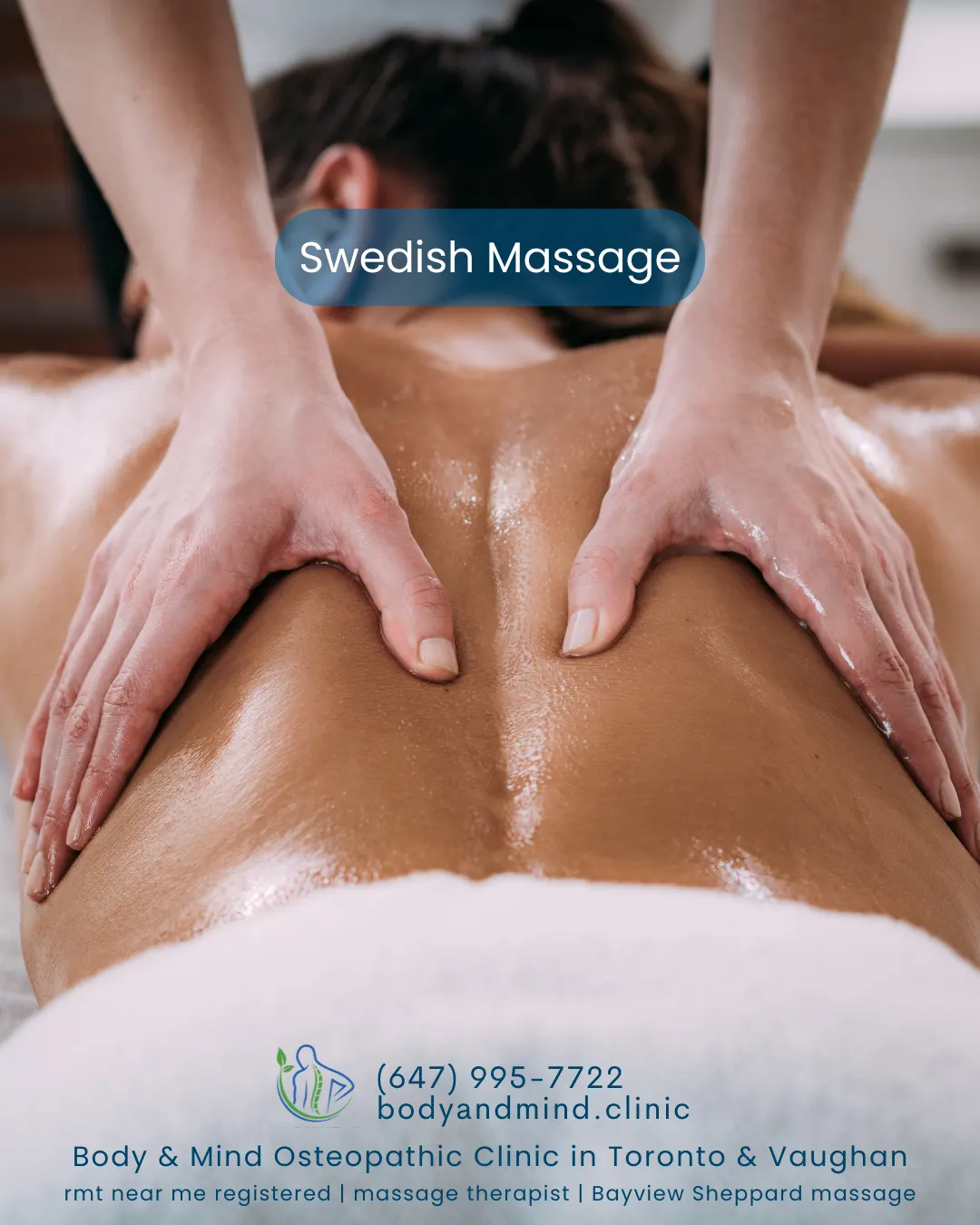
Swedish massage is a therapeutic technique that uses long, gliding strokes, kneading, friction, and tapping to relax muscles and improve circulation. It reduces stress, enhances oxygen flow, and flushes out toxins. This massage style is commonly used for general relaxation and tension relief.
The Real Origin of Swedish Massage
Despite its name, Swedish massage wasn’t created in Sweden. Actually, Johann Georg Mezger, a Dutch doctor, organized it in the mid-1800s and introduced the French terms—like effleurage, pétrissage, friction, tapotement, and vibration—that are still important today. While Pehr Henrik Ling had an impact on gymnastics and physical therapy in Sweden, he didn’t create these massage techniques. Mezger’s clear classification really set the stage for modern Swedish massage.
How Swedish Massage Works
Swedish massage leverages five essential strokes to help the body unwind and heal:
- Effleurage: Long, gliding strokes to encourage circulation
- Pétrissage: Kneading and lifting muscles to release tension
- Friction: Deeper rubbing to break down adhesions
- Tapotement: Rhythmic tapping for stimulation
- Vibration: Fine shaking to relax muscles
These techniques are typically applied using centripetal motion—moving toward the heart—to assist blood flow and lymphatic drainage. The warming effect of a therapist’s hands dilates blood vessels, enhancing circulation and clearing toxins.
Health Benefits of Swedish Massage
Physical benefits:
Releases Muscle Tension
Gently loosens tight muscles and stretches connective tissues to restore flexibility and comfort.
Relieves Cramps and Reduces Fatigue
Helps ease muscle spasms, alleviates cramps, and decreases overall muscle fatigue after physical exertion.
Improves Joint Mobility
Promotes the loosening of stiff joints and enhances overall range of motion.
Enhances Muscular Strength
Stimulates circulation and neuromuscular activation, supporting increased muscle function.
Soothes the Nervous System
Induces a calming effect that reduces stress, anxiety, and tension held in the body.
Boosts Circulation
Increases blood flow to tissues, helping deliver oxygen and nutrients more effectively.
Tones Muscles and Skin
Supports firmer muscle tone and improves the appearance of skin through increased circulation and stimulation.
Eases Chronic Conditions and Pain
Provides symptom relief for:
- Arthritis
- Asthma
- Carpal Tunnel Syndrome
- Myofascial Pain
- TMJ Dysfunction
- Headaches
- Sports Injuries
- Acute and Chronic Pain Syndromes
Speeds Up Recovery
Aids in faster healing from injuries, illness, or surgery by supporting the body’s natural regenerative processes.
Enhances Lymphatic Drainage
Stimulates the lymphatic system to help eliminate toxins and reduce swelling or inflammation.
Mental and Emotional Benefits of Swedish Massage:
Deep Mental Relaxation
Promotes a calm, clear mind by reducing sensory overload and soothing the nervous system.
Improved Sleep Quality
Encourages longer, more restful sleep by lowering stress hormones and easing physical tension.
Stress and Mood Relief
Helps alleviate symptoms of stress, anxiety, depression, and irritability through the release of endorphins and relaxation hormones.
Enhanced Focus and Clarity
Supports better mental concentration and cognitive function by reducing internal distractions and promoting a sense of peace.
Elevated Emotional Well-being
Fosters a deeper sense of balance, connection, and emotional resilience, contributing to overall quality of life.
Indications & Contraindications
Ideal for:
- People seeking improved muscle tone or enhanced blood flow
- Those with sedentary lifestyles needing muscle activation
- Athletes recovering from soreness
- Individuals coping with stress or needing nervous system reset
When to Avoid:
- Fever (above 37.5°C) or contagious disease
- Bleeding disorders or heart conditions
- Severe inflammation or acute injuries
- Always consult your healthcare provider if in doubt.
What to Expect in Your Swedish Massage Therapy Session
Your session begins with a consultation and health check. You’ll lie clothed on a massage table; therapists use linens to maintain comfort and privacy. They may use oil or lotion to allow smooth strokes and adjust pressure based on your feedback. Sessions typically end with a calming rest, leaving you feeling rejuvenated yet relaxed.
Why Choose Swedish Massage in Toronto at Body & Mind Osteopathic Clinic?
Looking for Swedish massage near me in Toronto? At Body & Mind Osteopathic Clinic, we specialize in Swedish massage therapy delivered by certified, highly skilled therapists in a calming, therapeutic environment.
📞 Call us at (647) 995-7722 or book your appointment online now.
Reference
(*) WebMD. (n.d.). What is a Swedish massage? WebMD

Written By: Vadzim Siniauski
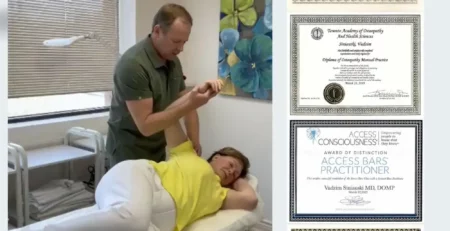
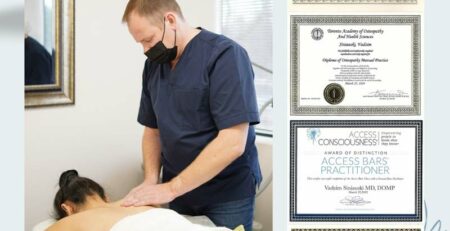
Vadzim Siniauski is Certified Osteopathic manual practitioner DOMP, MCIO, and Registered Massage Therapist (RMT), MD (Belarus). Vadzim has an extensive experience in musculoskeletal health, pain management, and manual therapy techniques.
Our Editorial Process
At Body & Mind Osteopathic Clinic, we publish practical, experience-based content to help educate readers on osteopathy, rehabilitation, and wellness.
Writing: All our content is developed by experienced osteopathic practitioners and RMTs. It draws on reputable scientific literature, clinical research, and our real-world experience working with conditions such as back pain, joint stiffness, postural imbalances, and injury recovery.
Editing: Each article is reviewed internally by a senior practitioner to ensure accuracy, clarity, and alignment with our treatment protocols and patient education standards.
Verified by Practitioners: Before publication, content is verified by a licensed member of our clinical team to confirm that the medical information provided aligns with current best practices in manual therapy and osteopathic care.
Frequently Asked Questions
What does a Swedish massage do?
Swedish massage relaxes muscles, improves circulation, reduces stress, and helps flush out toxins. It uses long strokes, kneading, and tapping to promote overall relaxation and physical relief.
What is the difference between Swedish massage and regular massage?
Swedish massage is a specific type of regular massage that emphasizes relaxation through long, gliding strokes and gentle kneading. Other massages, like deep tissue or sports massage, use different techniques and pressure levels for targeted relief.
Does a Swedish massage include buttocks?
A Swedish massage may include the buttocks if requested or consented to, as it’s a large muscle group. However, therapists will always follow client preferences and maintain professional boundaries.
Should I get deep tissue or Swedish?
Choose Swedish massage for relaxation and stress relief. Choose deep tissue massage for chronic muscle pain, tightness, or injury recovery. The main difference is pressure and purpose.
Which massage is best for back pain?
Deep tissue massage is best for chronic back pain, while Swedish massage helps with general tension or stress-related discomfort. Both can be beneficial depending on the severity and cause of pain.
Can Swedish massage remove knots?
Swedish massage can loosen mild muscle knots by improving circulation and relaxing tissues. For deeper or chronic knots, deep tissue massage is usually more effective.